Toning — Spectra + PicoPlus Pigment Laser
Spectra + PicoPlus low-fluence toning
Spectra + PicoPlus low-fluence toning
Toning is the most fundamental approach for melasma·freckle·PIH management. ABLE Dermatology Songpa uses Spectra (Q-switched ND:YAG) and PicoPlus (picosecond photoacoustic) in combination, gradually lightening melanin with low-fluence repetition while improving overall tone.
Two different mechanisms — Spectra delivers thermal energy, PicoPlus uses picosecond photoacoustic effect. Combined alternating use improves results and reduces rebound risk.
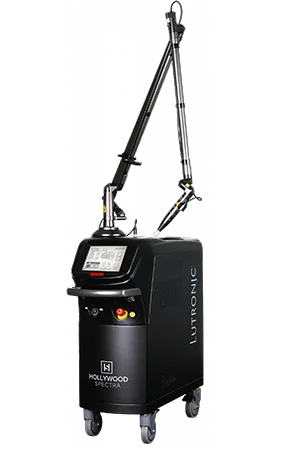
Spectra: 1064/532nm dual wavelength Q-switched ND:YAG with thermal energy mechanism — effective for deep melanin (melasma). PicoPlus: picosecond (10⁻¹²s) ultra-short pulse uses photoacoustic effect to shatter pigment into micro-particles, with less thermal damage — ideal for fine pigment and PIH minimization.
Single laser repetition can: 1) plateau pigment response, 2) treat only specific depths, 3) build skin tolerance and reduce results. Alternating Spectra and PicoPlus per session leverages each mechanism's strengths for more balanced outcomes.
Recommended for melasma·freckles·PIH·overall tone unevenness. Suitable for those needing sustained safe pigment management.
Melasma has complex causes (hormones·UV·skin irritation), and strong single laser increases rebound risk. Low-fluence repetition gradually lightens melanin safely.
Spectra's thermal mechanism and PicoPlus's photoacoustic effect act on different depths/sizes of pigment. Surface freckles handled by PicoPlus, deep freckles by Spectra — alternating sessions improve results.
PIH from acne or procedures slow to resolve naturally. Low-fluence toning lightens surface pigment while soothing effect suppresses rebound. Helpful for overall tone uniformity.
Same toning yields different results. We evaluate per-session pigment response, skin barrier, PIH risk and adjust output and equipment.
We evaluate pigment depth distribution, melasma type, PIH history. UV exposure habits, topical products, hormonal·pregnancy·medication factors are comprehensively reviewed.
Per session, select between Spectra and PicoPlus, adjusting output and pulse width based on patient response. Region-specific output for uniform results.
Post-session soothing care stabilizes skin; UV protection and home care guides provided. Inter-session photo tracking evaluates pigment response.
1064nm/532nm dual wavelength with thermal energy mechanism. Reaches deep dermal melanin — effective for melasma. Low-fluence for safety.
Picosecond photoacoustic effect shatters pigment into micro-particles with minimal thermal damage. Effective for fine pigment and PIH minimization, with virtually no recovery time.
Spectra and PicoPlus alternated session-by-session. Patient pigment response evaluated to adjust next session's equipment·output. Minimum recovery, immediate makeup possible.
2~4 week intervals 5~10 sessions based on severity. Maintenance schedule designed after improvement.
Low-fluence repetition minimizes rebound. UV protection, hormonal triggers, lifestyle factors remain important.
Different mechanisms with strengths in different areas. Pigment type·depth·patient skin response determine alternating combination.
2~4 weeks optimized for pigment response recovery cycle.
Yes. Boosters, Synerjet, soothing care can be combined. Schedule in consultation.
Yes. Almost no recovery time; immediate daily return.
Be able to choose, not be pushed.
This content is general medical information. Treatment effects and side effects vary by individual. Please consult in person.