Rosacea & Redness Treatment in Seoul
Vascular laser treatment to calm facial redness
Vascular laser treatment to calm facial redness
Your face flushes at the slightest warmth indoors, anxiety about reddening in social situations, and redness that shows through makeup and burns. This redness is not simple skin sensitivity but a physical symptom from blood vessel dilation or chronic inflammation.
Facial redness arises from diverse causes. The most common is chronic blood vessel dilation, causing excessive facial blood flow. Other causes include skin barrier damage causing easy irritation response. More severe cases involve rosacea, a chronic inflammatory condition with blood vessel dilation, inflammation, and papules. Additionally, steroid misuse or excessive procedure aftereffects damage skin barrier and expose capillaries, creating redness. Accurate cause diagnosis is essential.
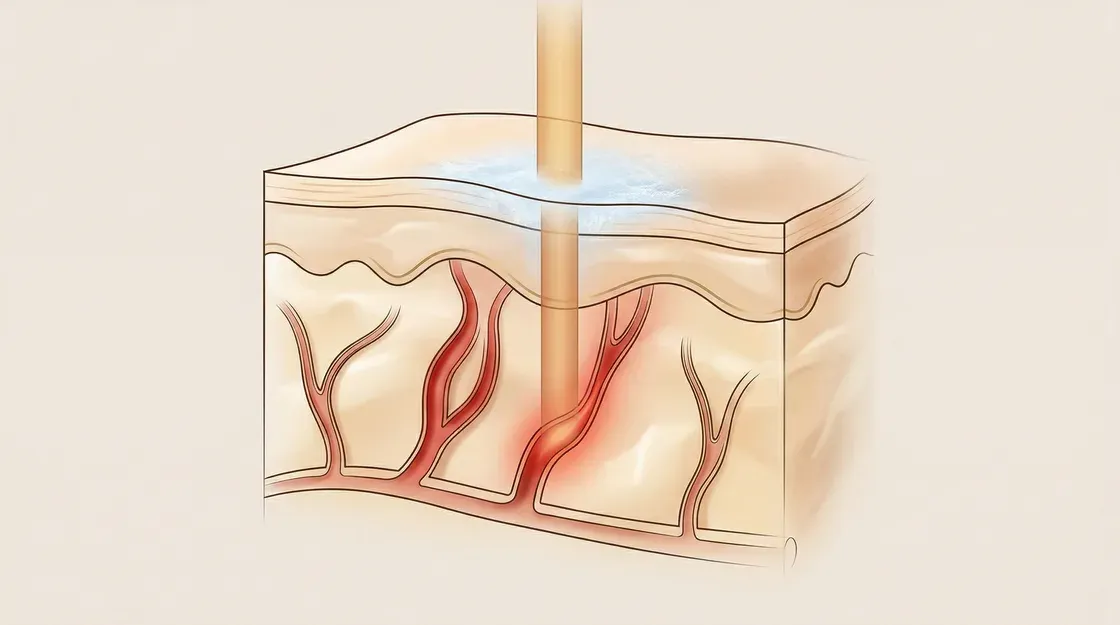
At ABLE Dermatology, we use VBeam Perfect 595nm vascular laser to selectively react within hemoglobin in blood vessels, coagulating dilated vessels. Accento N Genesis Toning applies gentle thermal stimulation to dermal layer, remodeling collagen and restoring vessel elasticity. We also strengthen skin barrier with Potenza RF microneedling and calm inflammation with LDM ultrasound and CryoCell electroporation, promoting damaged skin recovery.
The most common problem redness patients experience is 'misdiagnosis cycle'. Rosacea (rosacea dermatitis) misdiagnosed as simple sensitivity gets only moisturizing and soothing cream, or conversely, barrier damage from steroid cream gets only vascular laser, causing actual worsening. Particularly, redness from steroid overuse requires distinct treatment strategy, risking worsening if treated as regular redness.
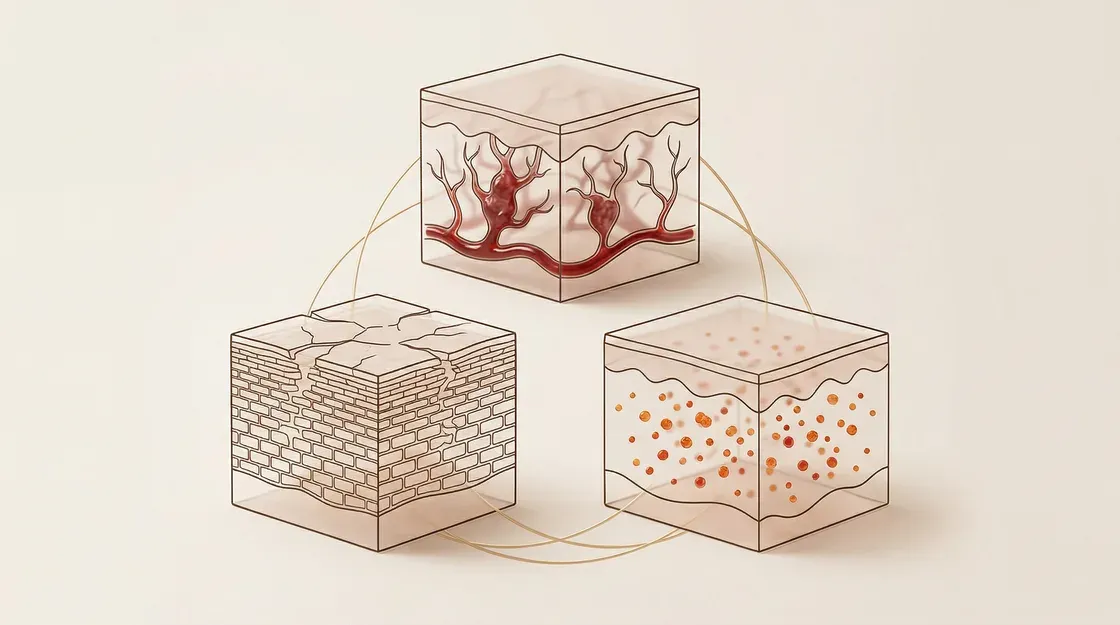
At ABLE Dermatology, we analyze redness through three axes: vascular dilation, skin barrier damage, chronic inflammation. VBeam Perfect vascular laser normalizes dilated vessels while LDM ultrasound activates cell metabolism and restores skin barrier. For rosacea involvement, concurrent medication (metronidazole, azelaic acid) controls inflammation root. These three must proceed together for lasting treatment effect.
Facial redness involves blood vessel dilation, skin barrier damage, and chronic inflammation (rosacea) working together. Even eliminating redness with vascular laser alone, if skin barrier remains damaged or inflammation persists, redness eventually recurs. Therefore, vascular treatment, barrier repair, and inflammation control must proceed simultaneously for effectiveness.
VBeam Perfect's DCD (Dynamic Cooling Device) cooling system protects skin surface while selectively delivering energy to vessels only, minimizing pain and side effects. Accento N Genesis Toning's low-energy stimulation tightens vessels while simultaneously promoting dermal layer collagen proliferation, recovering skin elasticity and barrier function. When vascular laser alone is insufficient, Potenza RF microneedling strengthens skin barrier's core—stratum corneum and dermis—and LDM ultrasound improves blood circulation while CryoCell electroporation delivers soothing components deeply. Together, these achieve lasting relief.
Some clinics treat all redness with vascular laser alone. However, if skin barrier is damaged or chronic inflammation persists, redness recurs after vascular treatment. ABLE Dermatology first normalizes dilated vessels with vascular laser, simultaneously repairs damaged skin barrier and controls inflammation with three-pronged treatment.
A chronic inflammatory disease from immune response, rosacea appears as facial redness and blood vessel dilation, progressively worsening in stages if untreated.
UV damage, repeated irritation, temperature-sensitive skin cause skin blood vessels to dilate and become prominent.
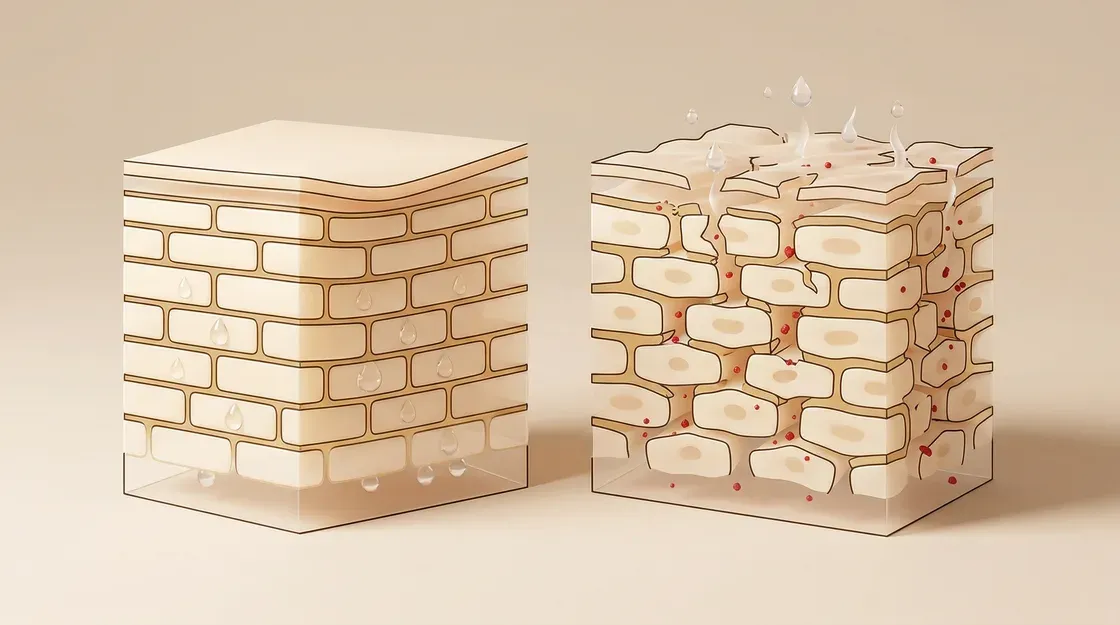
Damaged barrier reacts easily to irritants causing easy facial redness, heat sensation, and sensitive symptoms.
Differentiate: flushing, rosacea, telangiectasia, dermatitis. Vary treatment by type.
V-Beam laser targets vessels; LDM and SkinBooster repair barrier. Medication controls inflammation.
Identify triggers and provide lifestyle guidance for daily management.
Customized treatment based on the cause and severity of redness
| Treatment | Principle | Effect | Duration | Results Duration |
|---|---|---|---|---|
| V-Beam Perfecta (Vascular Laser) | Laser cauterizes dilated blood vessels | Immediate blood vessel closure | 15-30 min | 12-18 months |
| Accento N (Long-pulse 1064 Nd:YAG) | Long-pulse 1064nm vessel/redness stabilization | Gentle thermal stimulation of dermal layer | 20-40 min | 12-18 months |
| LDM (Dual Frequency Ultrasound) | Low-energy stimulation promotes skin regeneration | Reduces inflammation, restores barrier | 30-45 min | Continuous improvement |
| Skin Boosters | Barrier restoration and skin soothing | Hydrating and regenerative agents for barrier recovery Skin Vive · Aqua Glow · Re2O · Juvelook · Ultracol |
20 min | None |
| Collagen Stimulators | Dermal regeneration and barrier strengthening | Long-term skin improvement through endogenous collagen synthesis Juvelook Volume · Sculptra · Radiesse · GOURI |
30 min | 1-2 days |
| Pharmaceutical Treatment | Azelaic acid, metronidazole, etc. | Inflammation control and maintenance therapy | Daily use | Continuous use required |
Vascular laser treatment is typically performed 3~5 times at 3~4 week intervals. For rosacea, medication is combined for 2~3 months or longer, and continuing maintenance treatment after symptom improvement is effective for preventing recurrence.
Depending on energy settings, V-Beam laser may cause red spots or mild bruising after treatment, typically resolving naturally within 3~7 days. ABLE Dermatology uses settings that minimize bruising while considering patients' social activities.
General facial redness is temporary facial flushing, but rosacea is a chronic inflammatory skin condition involving persistent erythema, papules, pustules, and telangiectasia. Without proper treatment, rosacea progressively worsens, so early diagnosis and professional treatment are important.
General facial flushing is temporary redness, but rosacea is a chronic inflammatory skin condition with persistent erythema, papules, pustules, and telangiectasia. Rosacea worsens progressively without proper treatment, making early diagnosis and professional care crucial.
V-Beam laser may cause red spots or mild bruising depending on energy settings, typically resolving within 3-7 days. ABLE Dermatology adjusts settings to minimize bruising while considering your social commitments.
Avoid products with fragrance, alcohol, and harsh surfactants. Use low-irritation products with barrier-strengthening ingredients like ceramides and panthenol. Physical sunscreens (zinc oxide, titanium dioxide) are less irritating than chemical ones.
Vascular laser treatment typically involves 3-5 sessions at 3-4 week intervals. For rosacea, medications are used concurrently for 2-3 months or longer, with continued trigger management and maintenance therapy after symptom improvement to prevent recurrence.
Be able to understand your own skin.
We understand the cause of redness and choose evidence-based treatment.
This page constitutes medical advertising in accordance with Article 56 of the Korean Medical Service Act, and treatment results may vary by individual.