Fractional CO2 Laser Treatment in Seoul
Advanced resurfacing for wrinkles, scars, and skin texture
Advanced resurfacing for wrinkles, scars, and skin texture
Deep wrinkles, acne scars, surgical scars, pigmentation issues, and rough skin texture are difficult to address with topical skincare or non-invasive modalities alone. These concerns stem from damage in the deeper skin layers, requiring aggressive treatment to achieve meaningful improvement.
Fractional CO2 laser is a form of laser skin resurfacing. By delivering fractionated carbon dioxide laser energy, this treatment removes damaged epidermis and upper dermis while preserving surrounding tissue, triggering aggressive collagen remodeling. Unlike older full-field CO2 lasers that treated entire surfaces, fractionated CO2 creates microscopic treatment zones interspersed with untreated skin—resulting in faster healing, more comfortable recovery, and more natural results while maintaining the powerful efficacy of CO2 technology. At ABLE Dermatology, our board-certified dermatologist uses advanced fractional CO2 to address multiple skin concerns simultaneously: wrinkles, scars, sun damage, pores, and overall skin quality.
Though fractional CO2 requires recovery time (typically 3-7 days visible healing), the dramatic, lasting results justify the temporary inconvenience.
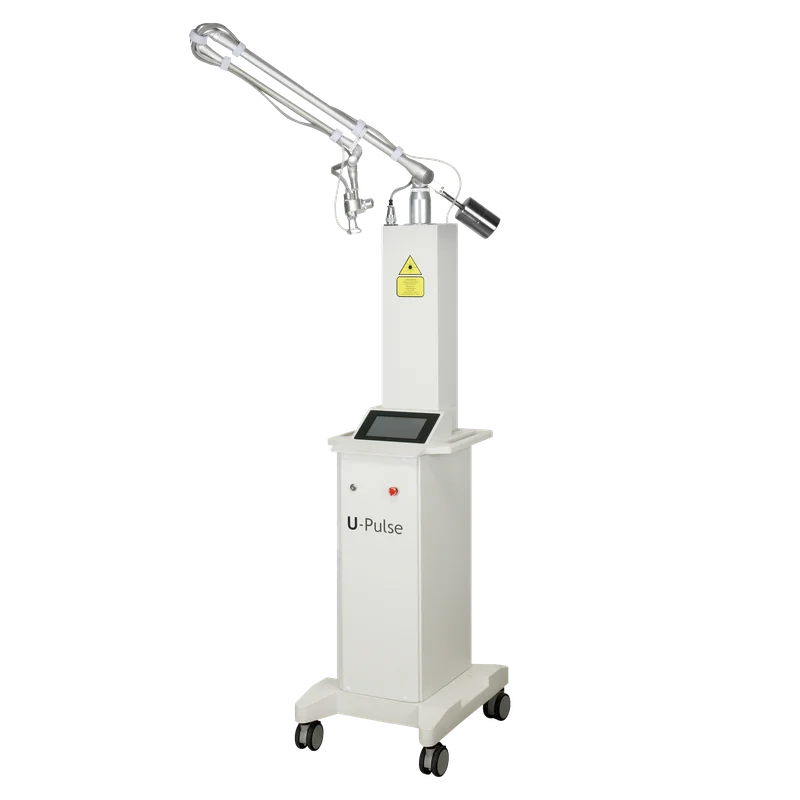
Fractional CO2 laser delivers concentrated 10,600 nm wavelength light to the skin in a fractionated pattern—thousands of microscopic ablative columns separated by untreated islands of healthy skin. This fractionation is key: it allows deeper, more aggressive laser energy penetration than non-ablative lasers while enabling rapid re-epithelialization from surrounding intact skin.
When the laser fires, three simultaneous mechanisms activate. First, the laser beam instantly vaporizes (ablates) water-containing cells in the epidermis and upper dermis, removing sun-damaged, pigmented, and scar tissue layer by layer. Second, the laser heat causes immediate collagen contraction, producing visible tightening and texture refinement. Third, the ablation triggers the body's intense healing cascade—growth factors and cytokines flood the area to clear debris, rebuild collagen, and regenerate healthy skin. Over 4-6 months, new collagen remodeling creates firmer, smoother, more even-toned skin with dramatically improved texture and appearance.
Fractional CO2 (this treatment) ablates damaged tissue in a fractionated pattern for aggressive results with manageable recovery. Non-fractional (full-field) CO2 treats the entire surface but requires longer recovery (2-3 weeks). Non-ablative lasers (like Nd:YAG or erbium) heat tissue without removing it—gentler recovery but weaker results. Fractional non-ablative (like fraxel) is less aggressive than fractional CO2. Fractional CO2 balances aggressive efficacy with practical recovery, making it ideal for patients who want dramatic improvement but can tolerate 1-2 weeks of visible healing. For severe damage, sun-exposed skin, or multiple concerns, fractional CO2 is the most effective option.
Note: Fractional CO2 is not ideal for those unable to commit to recovery time or protect skin from sun during healing. Certain medications (like Accutane) and conditions require precaution; discuss your full medical history during consultation.
Deep facial wrinkles, forehead lines, and periocular wrinkles dramatically smoothed through aggressive collagen remodeling and skin resurfacing.
Pitted acne scars, icepick scars, and surgical scars significantly improved or eliminated through ablative remodeling and controlled scarring.
Age spots, solar lentigines, uneven tone, and roughness from chronic sun exposure removed layer by layer, revealing healthier, more even skin beneath.
Dr. Jeong Kyungmuk thoroughly evaluates your skin condition, concerns, skin type, and recovery tolerance. Realistic expectations are set regarding downtime, results timeline, and number of treatments needed.
Treatment intensity, pulse duration, and pass patterns are individualized based on your skin type, concern severity, and desired recovery timeline. Conservative settings allow faster healing; aggressive settings maximize results.
The fractional CO2 handpiece is methodically passed over treatment zones, creating uniform microscopic ablative columns. Treatment duration varies (typically 30-60 minutes). Anesthesia ensures comfort throughout.
Immediate cooling and soothing care begins. Detailed aftercare instructions, healing medications, and follow-up appointments ensure good outcomes and minimal complications.
Safe, precise, step-by-step process
The skin is thoroughly cleansed and a topical anesthetic (numbing cream) is applied. We allow 20-30 minutes for the anesthetic to take full effect. Our dermatologist adjusts anesthesia strength based on your pain sensitivity and comfort tolerance.
The fractional CO2 laser handpiece is applied systematically to treatment zones in an overlapping grid pattern. Multiple passes may be performed depending on scar depth and severity. Real-time monitoring ensures even energy delivery and uniform microscopic ablation. Treatment duration typically ranges from 30-60 minutes depending on treatment area size and desired intensity.
After laser treatment, soothing masks and recovery essences are applied immediately. Optional complementary therapies such as LED light therapy or ultrasound treatments may be recommended to minimize inflammation and swelling. Comprehensive aftercare products and detailed home care instructions are provided to optimize healing and final results.
Fractional CO2 creates a precise grid pattern of microscopic thermal zones (microthermal columns) while leaving healthy skin between treated areas. This controlled damage triggers the skin's natural healing response, initiating collagen remodeling and new tissue formation. Unlike fully ablative CO2 lasers, which treat the entire surface, fractionated treatment preserves normal skin islands that accelerate healing and reduce downtime and complication risks.
Fractional CO2 is most effective for shallow to moderate scar depth (vaccine scars, surgical scars, boxcar and rolling acne scars) with irregular surface texture. Very deep ice-pick scars may require combination therapy with subcision or pinhole techniques for a good outcome. Treatment outcome depends on scar type, depth, age, and individual healing response. Recovery involves 1-2 weeks of redness, peeling, and skin shedding—this is expected and indicates active healing. Results progressively improve over 8-12 weeks, with peak results appearing at 3-6 months post-treatment.
Skin is thoroughly cleansed. Topical anesthetic (numbing cream) is applied, with additional local anesthesia administered as needed for comfort during treatment.
The laser handpiece delivers fractionated CO2 energy to target zones in a methodical, overlapping pattern. Patients feel warmth and hear clicking sounds. Multiple passes may be performed for a good outcome.
Damaged epidermis and dermis are vaporized instantly. Collagen fibers contract, producing immediate tightening and smoothing. Skin appears red, raw, and "treated"—this is normal.
Over 1-2 weeks, the outer skin layers shed dramatically. Redness and swelling resolve over 5-7 days. Skin gradually improves over 8-12 weeks as new collagen forms. Full results develop over 3-6 months.
Medical Disclaimer: This page is for informational purposes only. Individual results may vary. Fractional CO2 laser carries inherent risks including infection, scarring, and pigmentation changes. Always consult with a qualified dermatologist to determine if this treatment is appropriate for your skin and concerns.
Fractional CO2 is designed to improve scarring, not create it. Minimal scarring risk exists if aftercare is followed diligently and sun protection is strict. Rarely, post-inflammatory hyperpigmentation or hypopigmentation can occur, particularly in darker skin types—discuss risk factors during consultation.
Yes, but with precaution. Dark skin types carry higher risk of post-treatment pigmentation changes (both darkening and lightening). Conservative laser settings, careful aftercare, and strict sun protection are essential. Discuss your skin type with your dermatologist beforehand.
Results are long-lasting because the treatment remodels collagen and improves scars. However, continued sun exposure, aging, and lifestyle factors affect longevity. With excellent sun protection and skincare, results can last many years. Maintenance treatments may be considered 1-2 years post-treatment if desired.
Yes. Fractional CO2 is often combined with other procedures like fillers for volume restoration or RF treatments for deeper lifting. Combination approaches address multiple concerns simultaneously. Discuss integrated treatment plans during your consultation.
Be able to choose, not be pushed.
Fractional CO2 is performed under topical anesthesia (numbing cream) or local anesthesia, making discomfort minimal. Patients may feel warm sensations and mild snapping sounds as the laser fires. Post-treatment, a sunburned sensation is normal and managed with cooling and moisturizers. Pain is generally well-tolerated.
One high-intensity fractional CO2 treatment often produces significant results. Moderate concerns may require 2-3 sessions spaced 6-8 weeks apart for optimal improvement. Severe wrinkles, deep scars, or extensive damage may benefit from a series. Your dermatologist will recommend the ideal treatment number during consultation.
Skin texture and tone improve within 1-2 weeks as the outer damaged layer sheds. Wrinkle and scar improvement become visible around 4 weeks. Progressive collagen regeneration continues for 3-6 months, with good outcomes appearing 2-3 months post-treatment. Results improve over time, not immediately.
Recovery duration depends on laser intensity. Standard fractional CO2 typically requires 3-7 days of visible redness and peeling, with full healing over 2-3 weeks. During this time, moisturizer and SPF 50+ are essential. Low-intensity fractional settings may allow faster social recovery (3-5 days). Plan accordingly before scheduling treatment.
This page is for informational purposes only. Individual results may vary. Please consult with our dermatologist for personalized treatment recommendations. Fractional CO2 laser treatment carries potential risks including infection, scarring, and pigmentation changes.