Melasma & Pigmentation Treatment in Seoul
Clear, transparent skin with precise pigment treatment
Clear, transparent skin with precise pigment treatment
Melasma that cannot be hidden no matter how heavily you apply makeup, age spots that suddenly appeared despite using sunscreen, and blotchy patches you've noticed. These pigmentations are likely not simple surface discoloration but may be embedded deep in the skin layers.
Facial pigmentation arises from various causes including UV exposure, hormonal changes, skin inflammation, and aging. Even the same "brown spot" may be melasma, solar lentigo (sun spot), seborrheic keratosis, or ABNOM (acquired bilateral nevus-like macules on the orbit), requiring completely different treatment approaches. Without precise diagnostic differentiation, laser alone may actually darken pigmentation or cause recurrence.
At ABLE Dermatology, we use direct observation and dermoscopy to first accurately identify pigment type, depth (epidermal, dermal, mixed), and activity level. Epidermal pigmentation is rapidly broken down with PicoPlus pico laser, deep dermal pigmentation is treated with repeated toning using HollywoodSpectra Q-Switch Nd:YAG, and for melasma involving vascular components, we combine VBeam Perfect vascular laser to address root causes.
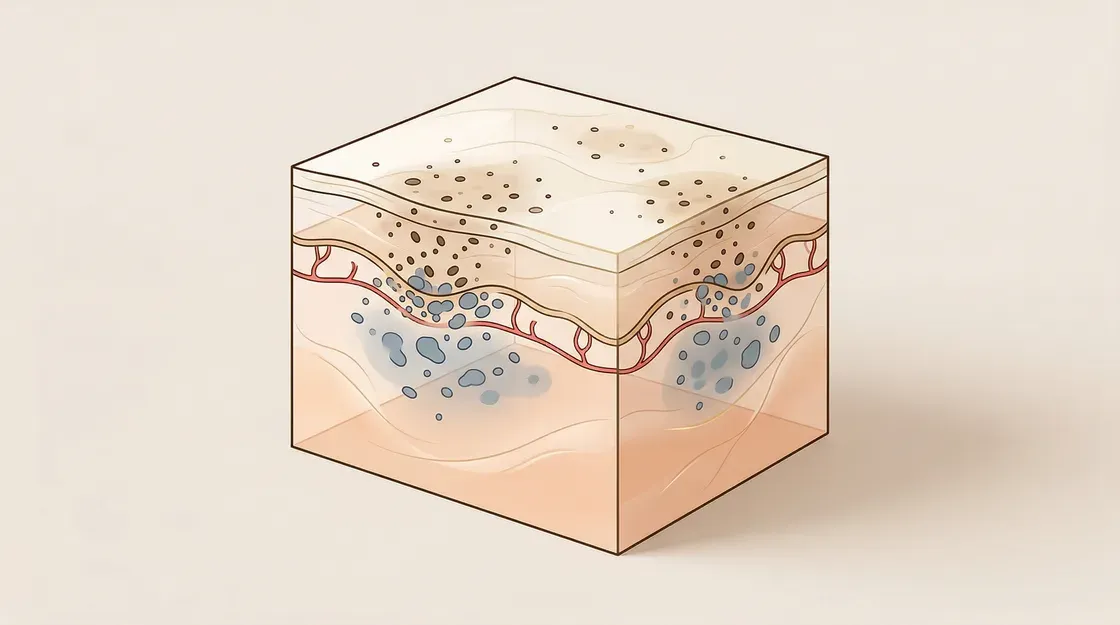
The most important first step in melasma treatment is 'identifying whether the melasma will respond to treatment'. Light brown epidermal melasma responds relatively well to laser toning and topical treatments. However, grayish-brown melasma deep in the dermis, red melasma with strong vascular component, and hormonally-driven melasma are difficult to improve with standard laser toning alone and may actually worsen.
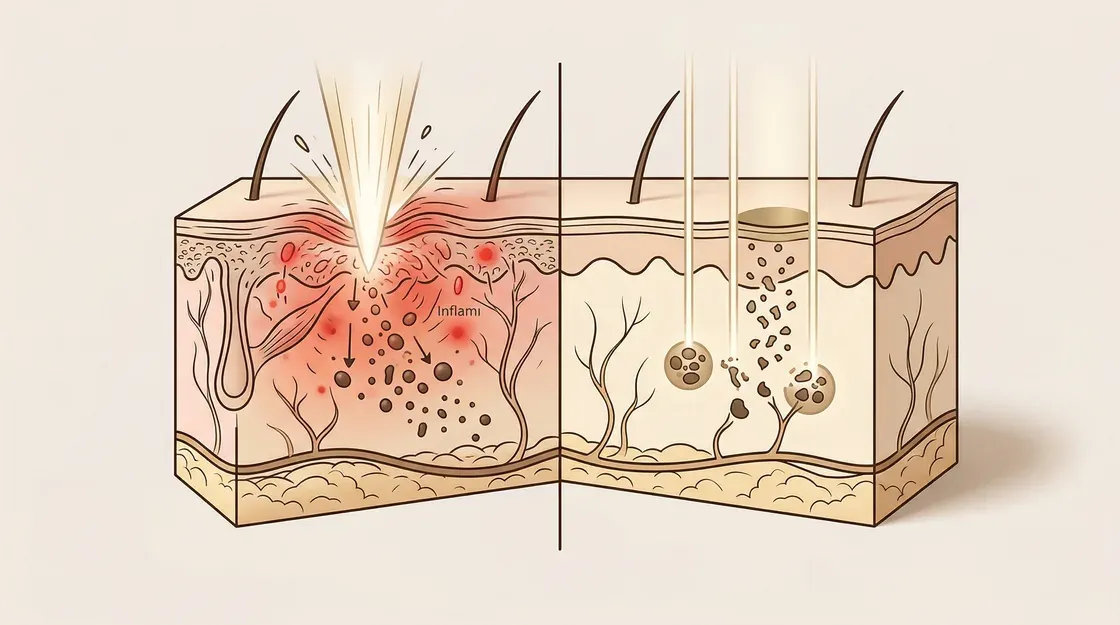
Particular caution regarding indiscriminate laser toning side effects is needed. Repeated low-energy toning without diagnosis can push melanin deeper rather than breaking it down, potentially darkening melasma or causing confetti-like depigmentation. ABLE Dermatology designs a customized protocol: pico laser for epidermal type, Q-Switch combined with medication for dermal type, VBeam Perfect first for vascular type.
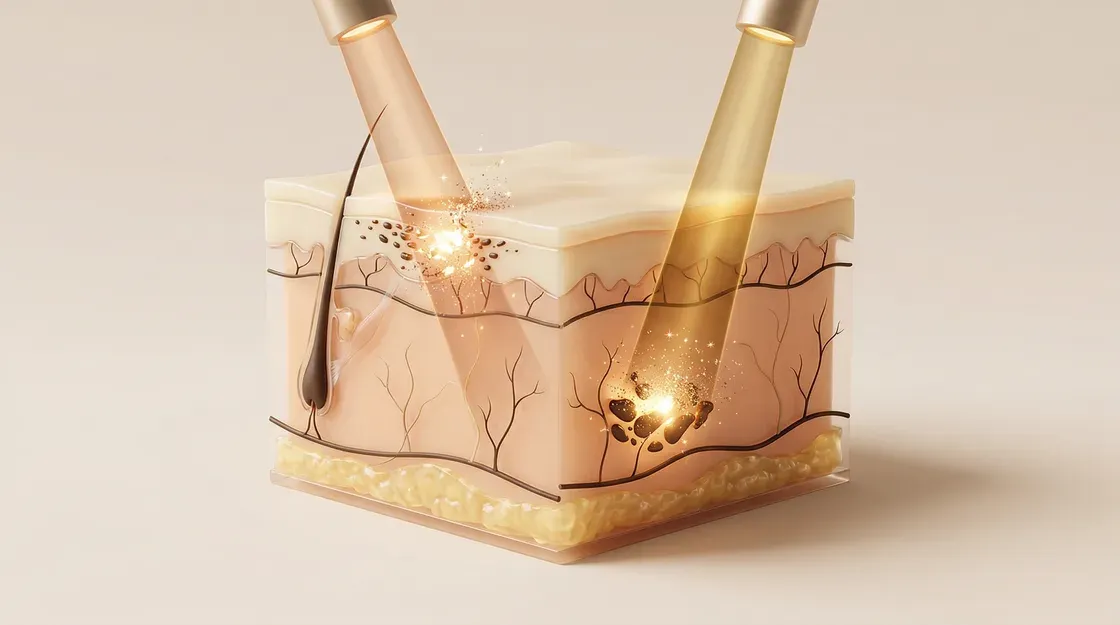
Even identical-looking "melasma" requires completely different treatments depending on epidermal, dermal, or mixed type. Epidermal pigmentation improves relatively quickly with laser toning, but deeply-seated dermal pigmentation requires medication combined with complex procedures. Laser-only repetition without accurate diagnosis risks darkening pigmentation (PIH side effect). PicoPlus pico laser breaks pigment into much finer particles than traditional nanosecond lasers, minimizing surrounding tissue damage while enabling faster improvement.
At ABLE Dermatology, we use Wood lamp examination and magnified skin imaging to first identify pigment depth and scope, then design customized treatment considering individual skin type, lifestyle habits, and hormonal status. HollywoodSpectra laser toning works by repeatedly applying low-energy bright light to gradually expel melanin, offering advantages over single high-energy sessions: fewer side effects and continuous improvement. Post-treatment, SynerJet Pro or LDM ultrasound management aids skin soothing and regeneration, maximizing treatment effect. Post-pigment treatment, UV protection and systematic skincare management are essential for preventing recurrence; regular maintenance therapy prevents additional dark spots.
Many clinics repeatedly do "pigmentation" laser toning without diagnosis. This is dangerous. Superficial and deep pigmentation require different wavelength matching, and indiscriminate repeated application can stimulate pigment or trigger inflammatory hyperpigmentation (PIH). ABLE Dermatology diagnoses first. Through Wood lamp and skin imaging, we precisely identify pigment depth, type, and activity, then design completely different treatment protocols: pico laser for epidermal type, Q-Switch for dermal type. If pigmentation cause involves blood vessels (redness), vascular laser is sometimes prioritized.
Prolonged UV exposure accumulates melanin, forming melasma. UV damage is the most common cause.
Oral contraceptives, pregnancy, menopause and other hormonal changes can increase melanin production, causing melasma.
Acne, skin irritation, and post-procedure inflammation cause excess melanin production, resulting in pigmentation.
Assess pigment depth, extent, and type precisely. Strategies vary by type—melasma, age spots, freckles, Ota nevus.
Combine laser, medication, and lifestyle management to minimize recurrence.
Plan extends beyond initial sessions. Include 4-8 week intervals, sun protection, maintenance therapy.
Customized treatment based on pigment depth and type
| Treatment | Principle | Effect | Duration | Recovery |
|---|---|---|---|---|
| Pico Toning | Ultra-short pulse laser breaks down melanin | Rapid improvement of superficial pigmentation | 15-20 min | None |
| Hollywood Spectra (Nd:YAG Toning) | Low-energy repetitive stimulation | Gradual improvement of severe melasma | 20-30 min | None |
| Pico Plus (Pico Toning) | Broad-spectrum light stimulation | Comprehensive improvement of mixed pigmentation | 20-30 min | 1-2 days |
| Oral Medication + Topical Agents | Tranexamic acid, hydroquinone, etc. | Inhibits internal pigment production | Daily use | Continuous improvement |
Pico laser uses pulses 1,000 times shorter than nanosecond-duration, minimizing damage to surrounding tissue while precisely breaking down pigment. It can destroy finer particles than regular toning, making it effective for deep pigmentation, and has relatively lower risks of post-treatment redness or hyperpigmentation.
Yes, melasma is a chronic pigmentation disorder with recurrence potential. It can darken again due to UV exposure, hormonal changes, and stress. ABLE Dermatology provides post-treatment maintenance plans and UV protection guidelines along with the procedure.
Yes, melasma is a chronic pigmentation disorder with recurrence potential. It can darken again due to UV exposure, hormonal changes, stress, and other factors. ABLE Dermatology provides post-treatment maintenance plans and sun protection guidelines to prevent recurrence.
Pico laser uses picosecond pulses—1,000 times shorter than nanoseconds—to precisely break down pigment while minimizing surrounding tissue damage. It can destroy finer particles than regular toning, making it more effective for deep pigmentation, with lower risk of post-treatment redness or hyperpigmentation.
Duration depends on pigment depth and extent, but typically 5-10 sessions are performed at 4-8 week intervals. Epidermal pigmentation improves relatively quickly (2-3 months), while dermal melasma may require consistent treatment for 6 months or longer.
The most important measure is sun protection. For at least 2 weeks after treatment, apply SPF 50+ sunscreen thoroughly and avoid direct sun exposure. Also avoid activities that generate heat on the skin, such as saunas and strenuous exercise, for at least 48 hours.
Be able to choose, not be pushed.
We present transparent options, never pressure.
This page constitutes medical advertising in accordance with Article 56 of the Korean Medical Service Act, and treatment results may vary by individual.