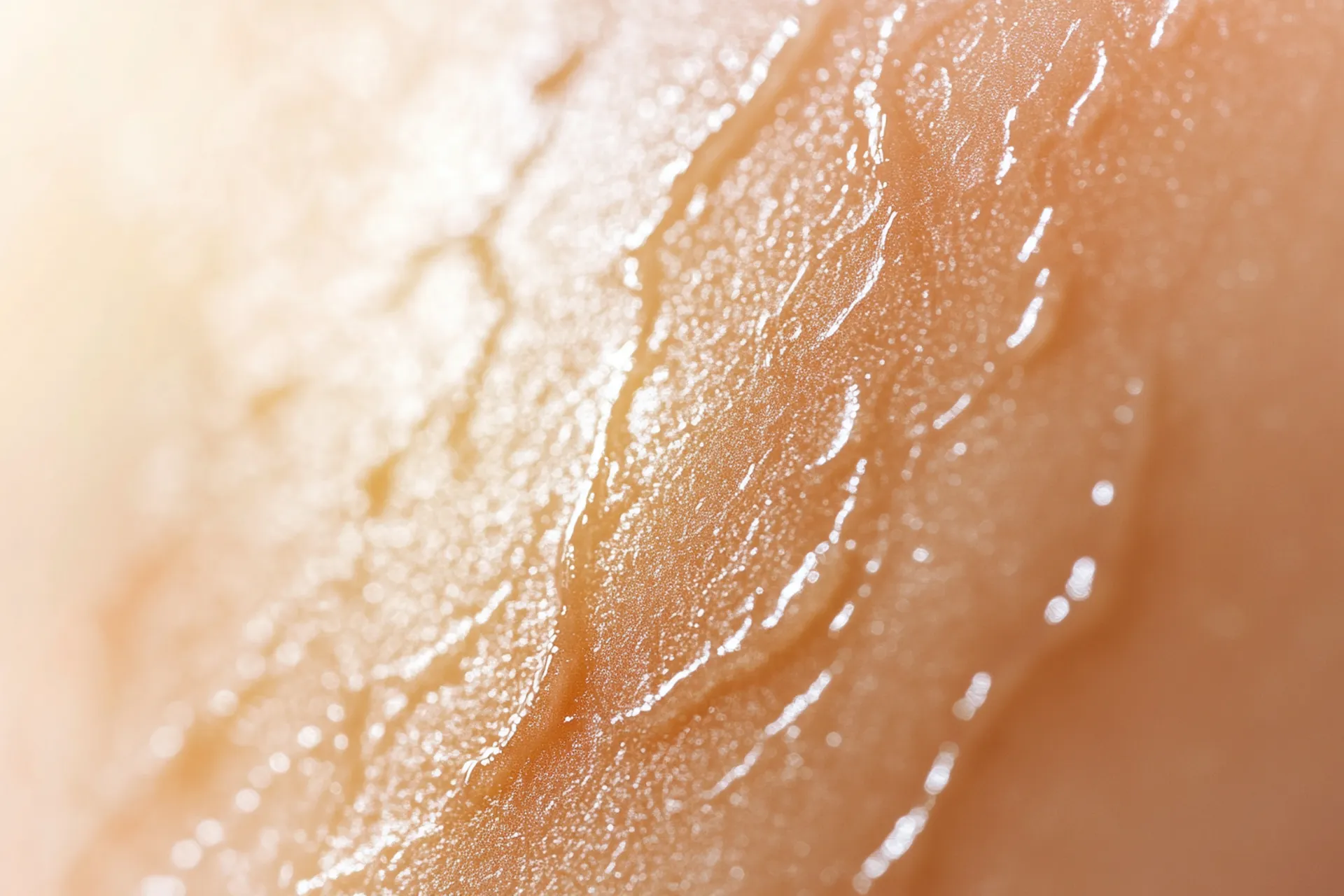
Acne Treatment in Seoul
Treating recurring acne from the root cause
Treating recurring acne from the root cause
Acne develops through four interrelated factors: excess sebum, follicular hyperkeratinization, bacterial colonization of Cutibacterium acnes (formerly Propionibacterium acnes), and resulting inflammation. Simply treating inflammation alone doesn't prevent recurrence because the underlying factors persist. Proper acne management requires addressing the root cause, not just the surface inflammation.
Adult acne (late 20s+) differs significantly from teenage acne. Teenage acne is predominantly sebum-driven from hormonal surges. Adult acne often stems from hormonal fluctuations, increased stress, lifestyle factors, or residual sebaceous gland dysfunction. Treatment protocols must distinguish between these types because what works for teenage breakouts may be ineffective for stubborn adult acne.
At ABLE Dermatology, we start with a comprehensive analysis to identify your acne's specific cause. Our combination protocol sterilizes acne bacteria with PDT (photodynamic therapy), calms existing inflammation with LDM ultrasound and soothing treatments, then prevents recurrence through medication and lifestyle optimization. For scarring acne, we seamlessly transition to scar-specific treatments after clearing active lesions. This multi-stage approach achieves both clear skin and prevents the scars that untreated acne leaves behind.
Acne severity determines treatment intensity and timeline. Stage 1 (Comedonal) features blackheads/whiteheads primarily, treated with gentle cleansing, exfoliation, and topical retinoids. Stage 2 (Inflammatory Papular) shows red, tender bumps without pus, requiring PDT and oral medication. Stage 3 (Pustular/Cystic) involves pus-filled lesions and deeper nodules, demanding intensive PDT, LDM ultrasound, and possibly oral antibiotics or isotretinoin. Stage 4 (Severe Nodular/Conglobate) presents with interconnected nodules and probable scarring, requiring specialized protocols combining PDT, Potenza RF, and careful scar management. ABLE Dermatology classifies your acne stage precisely, then follows sequential protocol: Stage 1 skin environment cleanup → Stage 2 cause-specific intensive treatment → Stage 3 maintenance management.
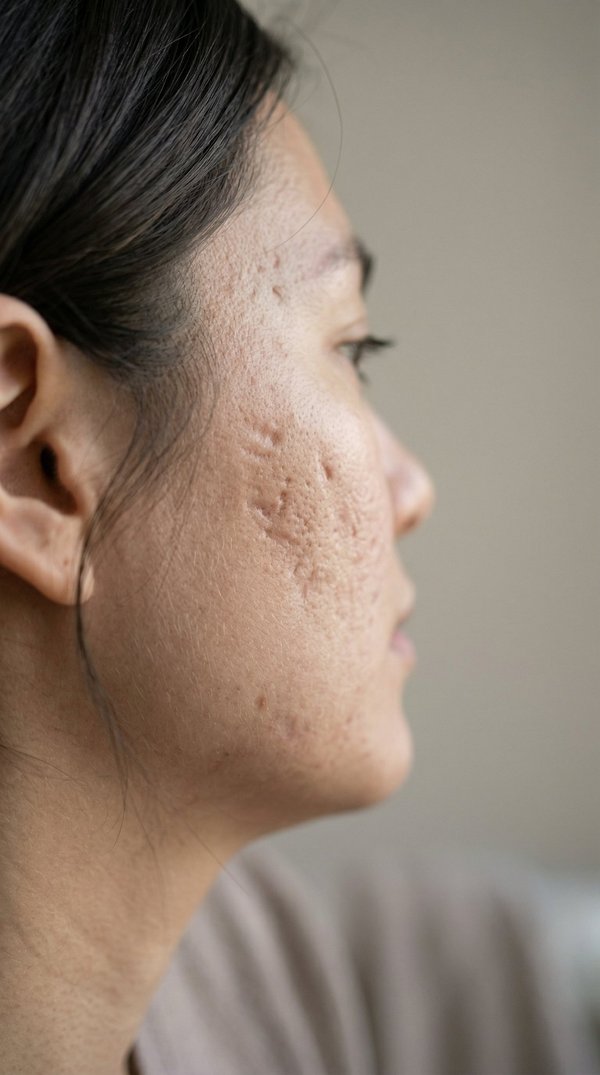
Teenage acne (13-19) is predominantly sebum-driven from puberty's hormonal surge. Treatment focuses on sebum control (isotretinoin for severe cases, topical retinoids, benzoyl peroxide) and bacterial suppression. Most teenagers see improvement by age 20-22 with consistent skincare.
Adult acne (20+) stems from complex causes: hormonal cycles, stress, gut dysbiosis, inflammatory diet, or residual sebaceous gland dysfunction from teenage years. Simple sebum control often fails because the underlying hormonal or systemic driver persists. Adult acne responds better to PDT (which reduces P. acnes bacteria and sebaceous gland activity), concurrent lifestyle optimization, and sometimes oral medication addressing hormonal factors. At ABLE Dermatology, we recognize these differences and tailor protocols accordingly—teenage acne emphasizes prevention; adult acne requires root-cause analysis.
Overactive sebaceous glands produce excess sebum that accumulates within follicles, creating an environment where acne bacteria thrive. Sebum composition also changes with hormones, increasing acne risk during puberty and hormonal cycles.
Abnormal shedding of skin cells within hair follicles creates plugs that trap sebum and bacteria. This process, called keratinization, is the root cause of both comedonal (blackheads/whiteheads) and inflammatory acne types.
Cutibacterium acnes bacteria colonize blocked follicles, triggering inflammation. This inflammatory cascade activates immune cells, causing redness, swelling, and pustule formation. Untreated inflammation also triggers scarring as skin attempts to heal.
Comprehensive skin assessment identifies your acne's root cause: sebum-driven, hormonal, bacterial, or inflammation-dominant. We distinguish teenage vs adult acne and classify severity to design your personalized protocol.
PDT sterilizes acne bacteria and reduces sebaceous gland activity. LDM ultrasound and topical/oral medication calm inflammation and prevent new lesions. Potenza RF begins rebuilding damaged skin architecture to prevent permanent scarring.
Maintenance treatments prevent recurrence while transitioning to scar-specific therapies if needed. Long-term skincare optimization and lifestyle counseling maintain clear skin beyond treatment completion.
Customized treatment protocol based on acne type and severity
| Treatment | Principle | Effect | Duration | Recovery |
|---|---|---|---|---|
| PDT (Photodynamic Therapy) | Light-activated photosensitizing agent eliminates acne bacteria and reduces sebaceous gland activity | Sterilizes bacteria, reduces sebum, prevents recurrence. Most effective for inflammatory acne. | 40-60 min | 2-5 days (redness, flaking normal) |
| LDM Ultrasound | Dual-frequency ultrasound enhances penetration of anti-inflammatory and calming treatments | Reduces inflammation, accelerates healing, prepares skin for subsequent treatments | 20-30 min | None |
| Aquapeel + Peeling | Hydro-exfoliation removes sebum and keratin plugs, chemical peeling reduces hyperkeratinization | Unclogs pores, reduces comedones, smooths texture. Prepares skin for other treatments. | 30-40 min | 1-2 days |
| Potenza RF Microneedling | Radiofrequency energy with microneedles stimulates collagen regeneration and skin remodeling | Rebuilds damaged skin, reduces scar risk, strengthens dermal architecture. Used after active acne clears. | 30-45 min | 2-3 days |
| Oral & Topical Medication | Antibiotics (doxycycline), retinoids (tretinoin), oral isotretinoin for severe cases | Addresses bacterial resistance, prevents new lesions, treats root causes. Often combined with procedures. Personalized based on acne severity and patient factors |
Self-administered | Varies by medication |
Recurring acne indicates the root cause hasn't been addressed. ABLE Dermatology identifies whether the cause is excess sebum, bacterial overgrowth, keratinization problems, or hormonal factors. A comprehensive treatment protocol targeting the specific cause prevents recurrence more effectively than single treatments.
PDT may cause temporary redness, mild swelling, and sensitivity for 2-3 days. These are normal inflammatory responses as the treatment eliminates acne bacteria. Proper post-treatment care with gentle skincare and sunscreen minimizes side effects.
Active acne should be cleared first before treating scars. However, ABLE Dermatology can plan a comprehensive timeline where PDT and LDM treat active acne, then transition to scar-specific treatments like RF microneedling or fractional laser once inflammation subsides.
Treatment frequency depends on acne severity and type. Typically, PDT or LDM treatments are spaced 1-2 weeks apart for 4-8 sessions. After achieving clear skin, maintenance treatments every 4-8 weeks prevent recurrence while addressing new breakouts early.
Be able to be yourself, not someone else's template.
A protocol optimized for your skin, not someone else's.
This page constitutes medical advertising in accordance with Article 56 of the Korean Medical Service Act, and treatment results may vary by individual.