Acne PDT Photodynamic Therapy in Seoul
Destroy acne bacteria without antibiotic resistance
Destroy acne bacteria without antibiotic resistance
Is acne recurring despite long-term antibiotic use? Standard antibiotic treatments often lose effectiveness as bacteria develop resistance. ABLE Dermatology offers PDT (photodynamic therapy), a scientifically proven, antibiotic-free acne treatment that destroys acne-causing bacteria and reduces sebaceous glands without the risk of resistance.
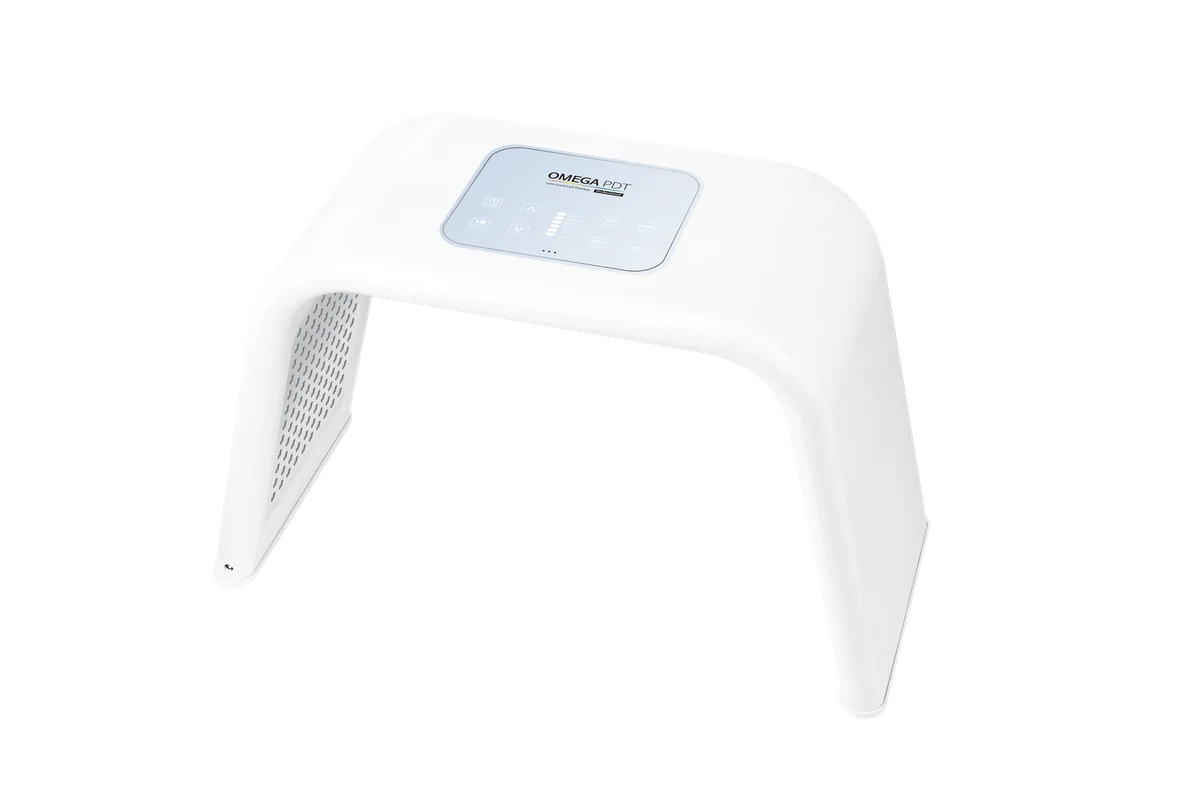
Unlike systemic antibiotics that bacteria can develop immunity to, PDT works through a physical mechanism: a photosensitizing agent (ALA or MAL) is applied topically and selectively absorbed by sebaceous glands. When exposed to specific wavelength LED light, it generates reactive oxygen species that directly destroy Cutibacterium acnes (C. acnes) bacteria and trigger sebaceous gland reduction. Because the mechanism is physical rather than chemical, bacterial resistance cannot develop, making PDT ideal for long-term, repeated acne management.
At ABLE Dermatology in Seoul, we combine advanced PDT technology with board-certified dermatological expertise. Results appear within 1-2 weeks, with significant improvement visible 4-6 weeks after treatment. Most patients benefit from a series of 3-6 treatments spaced 2-4 weeks apart for a good outcome.
The effectiveness of PDT lies in its dual mechanism of action. A photosensitizing agent (typically 5-aminolevulinic acid/ALA or methyl aminolevulinate/MAL) is applied to acne-affected areas where it is selectively absorbed by sebaceous glands due to their high lipid content and metabolic activity. Once absorbed, the photosensitizer is converted to protoporphyrin IX, a compound that becomes highly photoreactive when exposed to specific light wavelengths (typically 630-680 nm red light or 405-420 nm blue light).
When the appropriate LED light is applied, protoporphyrin IX transitions to an excited state and generates singlet oxygen—a highly reactive molecule. This singlet oxygen directly damages bacterial cell membranes, destroying acne bacteria on contact. Simultaneously, the photochemical reaction triggers inflammation and thermal effects that cause selective damage to sebaceous gland tissue, reducing sebum production and lowering the bacterial colonization environment. Unlike antibiotics that must penetrate cell walls and interfere with bacterial metabolism, PDT's physical mechanism of action cannot be circumvented through bacterial resistance mutations. The bacteria are simply destroyed.
Oral antibiotics (doxycycline, minocycline) have long been standard acne treatment. However, prolonged use frequently leads to bacterial resistance, reducing effectiveness over months or years. Additionally, systemic antibiotics affect the entire body, disrupting beneficial microbiota and increasing the risk of adverse effects. PDT, by contrast, is topical and works through physical destruction rather than chemical inhibition—resistance is impossible. Results are cumulative with repeated treatments, and because the mechanism is unchangeable, efficacy does not diminish over time. Many dermatologists now reserve antibiotics for short-term use and transition patients to PDT for long-term management.
Inflammatory breakouts, comedones, and papules on the face. PDT is particularly effective for active, bacteria-driven acne rather than purely comedonal acne.
Body acne in sebaceous-gland-rich areas. These areas often respond excellently to PDT because the photosensitizer concentrates in active sebaceous glands.
Persistent redness (PIE) following acne resolution improves with PDT's anti-inflammatory and sebaceous reduction effects, promoting healing and reducing visible redness.
Our dermatologist evaluates acne type, severity, distribution, and underlying causes. We discuss antibiotic history, skin sensitivity, and treatment goals. English consultation is available. Treatment parameters are customized based on acne severity and skin type.
Photosensitizing agent is applied selectively to acne lesions and surrounding sebaceous-rich areas. After adequate incubation time, precise LED light (wavelength matched to the photosensitizer) is systematically applied to activate the treatment. Treatment parameters are individually calibrated.
Soothing treatments and sunscreen protection follow immediately. We provide detailed aftercare instructions and schedule follow-up sessions. Most patients benefit from a series spaced 2-4 weeks apart for cumulative effect.
Safe, non-invasive step-by-step process
The treatment area is thoroughly cleansed to remove oil, makeup, and debris. Photosensitizing agent (ALA or MAL) is evenly applied to acne lesions and the surrounding sebaceous areas. The agent requires 15-30 minutes incubation to be selectively absorbed into sebaceous glands and converted to photoreactive protoporphyrin IX.
After incubation, the treatment area is gently cleaned and the appropriate LED light (wavelength 630-680 nm red or 405-420 nm blue) is systematically applied. The light activates the photosensitizer, generating singlet oxygen that destroys bacteria and sebaceous tissue. Treatment time varies (typically 15-30 minutes) based on the treatment area size and intensity. Some warmth or mild discomfort may be felt; this is normal and indicates active treatment.
Cooling gel or soothing serum is applied to calm the skin. Broad-spectrum sunscreen (SPF 30+) is essential because photosensitizer may remain active briefly. No bandages are needed. Makeup and normal activities can resume immediately, though sun avoidance for 24-48 hours optimizes results.
Results from PDT are progressive rather than immediate. The first treatment initiates bacterial destruction and sebaceous reduction, with visible improvement appearing 1-2 weeks post-treatment. Each subsequent treatment adds cumulative benefit, with significant overall improvement noticeable 4-6 weeks into a treatment series. The typical recommended series is 3-6 treatments spaced 2-4 weeks apart. Some patients see dramatic results after 3 sessions, while others benefit from 6 sessions for complete acne clearance. Individual variation depends on acne severity, bacterial load, sebaceous gland activity, and skin healing capacity.
This page is for informational purposes only. Individual results may vary. Consult with Dr. Jeong Kyungmuk for a personalized assessment and treatment plan tailored to your acne condition.
PDT specializes in active acne treatment and is also effective for post-inflammatory erythema (acne redness). For atrophic (depressed) scars, combining PDT with other treatments such as subcision or dermal fillers is effective. At ABLE Dermatology, we create customized treatment plans matching your individual skin condition.
PDT results appear within 1-2 weeks after treatment, with effects accumulating with repeated sessions. Significant improvement is typically noticeable 4-6 weeks after treatment. For good outcomes, 3-6 sessions spaced 2-4 weeks apart are recommended. Individual variation occurs based on acne severity, skin type, and sebaceous gland activity.
No. PDT's greatest advantage over antibiotics is that bacterial resistance does not develop. Unlike oral antibiotics that work chemically, PDT destroys acne bacteria physically using reactive oxygen species and reduces sebaceous glands. Long-term use carries no resistance risk, making PDT ideal for long-term management of recurrent acne.
PDT is a non-invasive procedure with no downtime. You can resume daily activities immediately after treatment. However, for 48 hours after treatment, avoid direct sunlight and apply adequate broad-spectrum sunscreen (SPF 30+). The photosensitizer may remain active briefly, making skin temporarily photosensitive.
Photodynamic Therapy (PDT) combines a light-activating medication (photosensitizer) with specific wavelength light to eliminate acne-causing bacteria and reduce sebaceous gland activity. The photosensitizer accumulates in sebaceous glands and follicular epithelium, and when activated by light, generates reactive oxygen species that destroy Cutibacterium acnes and suppress sebum production.
PDT is effective for moderate to severe acne, with clinical studies showing 70-80% improvement in acne lesions after a series of treatments. Results often persist for months to years because the therapy reduces sebaceous gland hyperactivity at the cellular level.
During treatment, you'll receive a topical photosensitizer application (typically 15-30 minutes), followed by light activation (15-20 minutes). Mild warmth and mild redness are normal during treatment. Post-treatment, mild erythema and peeling may last 24-48 hours. Most patients resume normal activities immediately. Strict sun protection is essential for 24-48 hours post-treatment.
Most acne patients benefit from 3-4 treatment sessions spaced 2-4 weeks apart. Your dermatologist will assess your acne severity and skin response to determine the optimal number of sessions. Some patients achieve excellent results with fewer sessions, while others may benefit from additional treatments depending on acne persistence and sebum reduction.
Be able to choose, not be pushed.
This page is for informational purposes only. Individual results may vary. Please consult with our dermatologist for personalized treatment recommendations.