

Oil-Water Imbalance in Acne Skin
Contrary to common misconception, acne-prone skin is not always oily. Many acne patients have 'combination' skin with an oily surface but dry interior. This imbalance becomes more pronounced when using acne treatment medications.
Vitamin A derivatives (retinoids) and benzoyl peroxide are powerful acne treatments but cause epidermal peeling and dryness. Without appropriate hydration, skin irritation worsens and may paradoxically increase sebum production.
Proper Moisturizer Selection Criteria
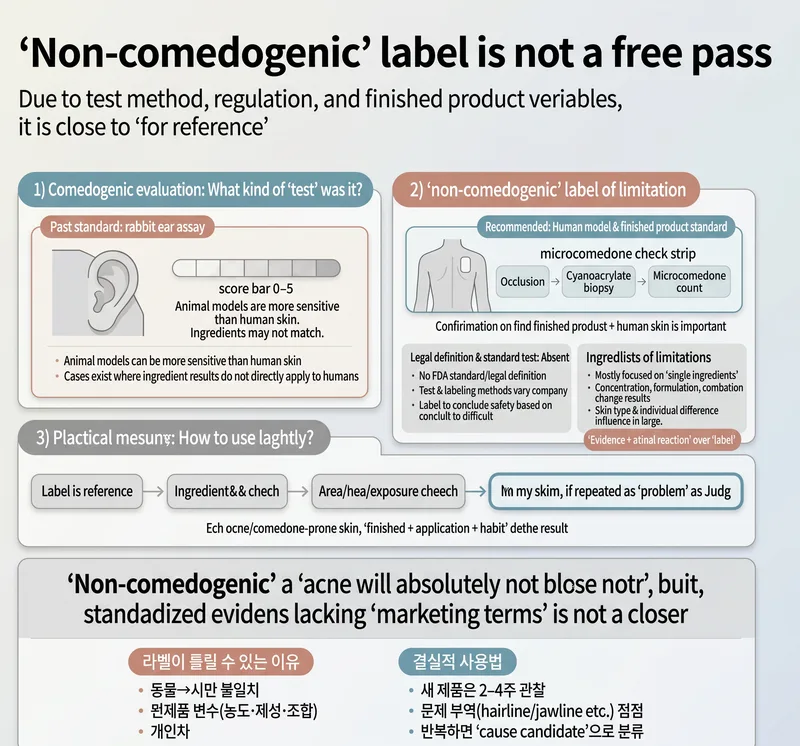
Moisturizers for acne skin must satisfy three conditions. First, they must carry a non-comedogenic label, indicating clinical testing showing they don't clog pores.
Second, they should have a lightweight, water-based texture. Essences, toners, and gel types work well; lotions are preferable to creams. Third, the ingredient composition shouldn't interfere with treatment. Using moisturizers with sebum-control ingredients (salicylic acid, niacinamide) is helpful.
Combining Hydration with Acne Treatment
Successful acne treatment is impossible without proper hydration. When using irritating active medications, moisturizing isn't optional—it's essential. The standard approach is applying moisturizer 5-10 minutes after evening retinoid use.
Weekly soothing masks or sheet masks are also beneficial. Products containing hyaluronic acid, ceramides, and panthenol promote overnight hydration and regeneration, mitigating acne treatment side effects.
Frequently Asked Questions
- Should acne-prone skin still be well-moisturized?
- Yes, absolutely. Especially when using acne medications (retinoids, benzoyl peroxide), skin becomes dehydrated and moisturizing is essential. However, choose lightweight products like essences or lotions with low oil content.
- Can moisturizer worsen acne?
- Heavy, highly occlusive products that clog pores can worsen acne. Products labeled non-comedogenic or water-based essences are important choices to prevent this.