CO2 Laser Mole Removal in Seoul
Precise removal of moles, warts, and skin lesions
At ABLE Dermatology in Seoul, Dr. Jeong Kyungmuk, a board-certified dermatologist, checks each spot with dermoscopy and removes moles, skin tags, milia, warts (including flat warts) and age spots (seborrheic keratosis) with CO2 laser himself, in English. With a reservation, treatment can follow your consultation (this may vary by procedure and skin condition). Most people return to daily life quickly; recovery time is explained at your consultation. Published fees: KRW 15,000–200,000 per lesion.
ABLE Dermatology (에이블피부과) · 140 Jungdae-ro, Songpa-gu, Seoul, 4-5F · right in front of Police Hospital Station (Line 3) Exit 4 — turn left from the exit · from Jamsil: Line 8 to Garak Market, then Line 3 for one stop
Medically reviewed by Dr. Jeong Kyungmuk, board-certified dermatologist · Last updated
Moles, skin tags, milia, warts (including flat warts) and age spots (seborrheic keratosis) are common and usually benign—but they can affect your appearance and confidence. While mole removal might seem simple, improper technique can lead to scarring, incomplete removal, or infection, so each lesion is checked by a dermatologist before removal.
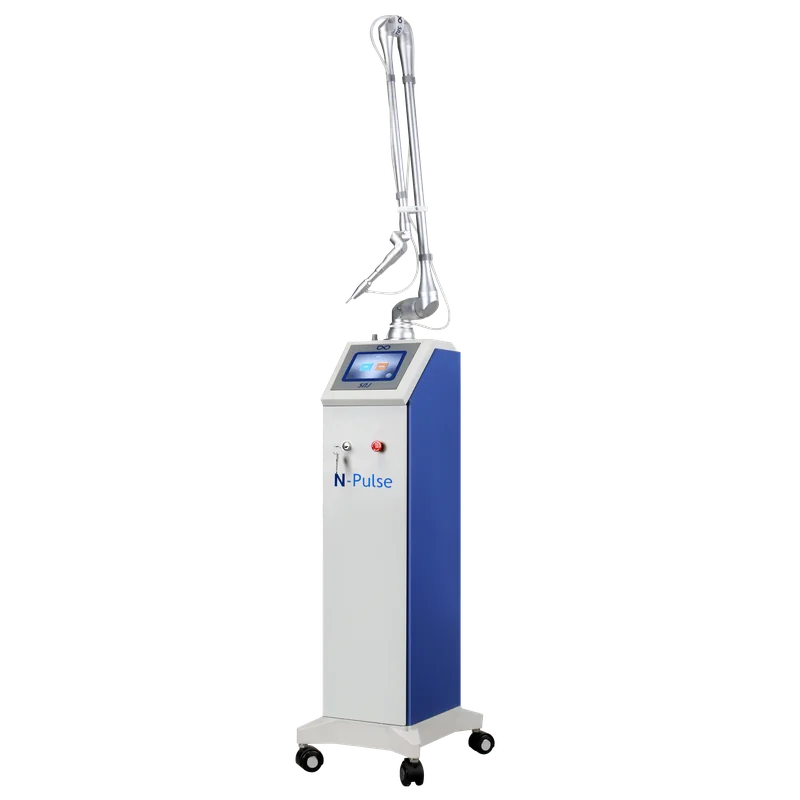
ABLE Dermatology uses the N-Pulse CO2 laser, which ablates lesions while limiting damage to the surrounding skin. Instead of a single high-energy pulse, N-Pulse delivers several lower-energy pulses, which reduces heat damage to the surrounding tissue. Our board-certified dermatologist examines each lesion with dermoscopy before treatment and adjusts the laser settings for each one.
Whether you have a single mole or several lesions—on your face, neck, or body—Dr. Jeong examines them and sets the plan at your consultation.
While many lesions are benign, some warning signs warrant professional evaluation. A dermatologist should assess any mole that has recently changed in appearance, color, size, or texture, especially if it is irregular in shape or has multiple colors. Additionally, lesions that bleed, itch, hurt, or develop crusting should be evaluated before removal to exclude malignancy. Our board-certified dermatologist uses dermoscopy (dermatoscopic magnification) to examine the internal structure of each lesion. This non-invasive technique allows differentiation of benign common nevi from suspicious or atypical lesions that may warrant biopsy rather than removal. Your safety and accurate diagnosis are our priorities.
N-Pulse divides the laser energy into several shorter pulses, so that the depth can be controlled and heat injury to the surrounding tissue is limited. For mole removal, our dermatologist adjusts the laser to the depth of the lesion, and the lesion is vaporized layer by layer until it is removed. Healing time depends on the size and depth of each lesion and is explained at your consultation.
Moles (Nevi): Common benign melanocytic proliferations. We remove cosmetically bothersome or frequent moles that patients wish to clear. Dermoscopy is used to check that a mole looks benign before removal. Warts (Including Flat Warts): Benign viral lesions (human papillomavirus). CO2 laser ablates the wart tissue; the method is chosen at your consultation. Skin Tags (Acrochordons & Soft Fibromas): Benign soft tissue growths, often appearing on neck, armpits, or eyelids. Seborrheic Keratosis (Age Spots): Common, benign, waxy growths that darken with age. CO2 laser removes them while limiting damage to the underlying skin. Milia: Small keratin cysts. Laser opens and removes them.
Benign melanocytic lesions on face, neck, or body. Lesions are examined with dermoscopy before removal. The procedure needs no sutures.
Viral warts (including flat warts) and benign soft tissue growths (skin tags, acrochordons). Removal needs no sutures; the method is chosen at your consultation.
Common age-related keratoses (age spots) and milia. The laser removes them while limiting damage to the surrounding skin.
Our board-certified dermatologist evaluates each lesion clinically and with dermoscopy to confirm benign status. Biopsy is performed if any atypical features are present. Lesion morphology is documented and explained to you in detail. Dr. Jeong consults and treats in English himself.
Local anesthesia is given to keep you comfortable. Laser settings are individually calibrated for each lesion's size, depth, and type. The N-Pulse CO2 laser systematically ablates and vaporizes the lesion. Treatment time depends on the number and size of lesions and is explained at your consultation.
Treated areas are covered with regenerative dressing immediately after treatment. Comprehensive aftercare instructions and healing medications are provided to support wound healing. International patients receive written aftercare instructions.
Precise, controlled, step-by-step process
The treatment area is cleansed with antiseptic. Topical anesthetic cream is applied, then a local anesthetic is injected around each lesion using a fine needle.
The N-Pulse handpiece is positioned perpendicular to the skin. Laser pulses systematically ablate the lesion. The laser vaporizes the lesion layer by layer, matched to its depth. A faint odor (similar to burned hair) may be noticed—this is normal.
Any minor bleeding is controlled with light pressure or cautery. A sterile regenerative dressing (e.g., silicone-impregnated gauze) is applied to protect the wound. Detailed written aftercare instructions are provided.
Immediately after treatment, the treated areas appear red and may have slight swelling. A thin crust then forms—this is protective and should not be picked—and it sheds on its own. During healing, the area should be kept clean and dry. Do not soak in water, scrub, or apply harsh products. Larger lesions may leave a mark. How long each stage takes depends on the size and depth of the lesion and is explained at your consultation.
| Treatment | Suited to | Sessions / interval | Recovery |
|---|---|---|---|
| CO2 laser mole removal | Moles, skin tags, milia, warts, age spots | Decided at consultation | Healing tape care |
| Spot Removal | Larger spots, lentigines, age spots | 1–3 sessions, 4–6 weeks apart | Small crusts 5–7 days |
Sessions, intervals and recovery vary with your skin and are decided at your consultation.
Yes, several lesions—moles, skin tags, milia, warts (including flat warts) or age spots—can often be treated in the same session. How many, and how long it takes, depends on their number, size and depth, and is explained at your consultation. Most people return to daily life quickly; recovery time is explained at your consultation.
Healing time depends on the size and depth of each lesion and is explained at your consultation. The treated area is protected with a regenerative dressing and should not be soaked or scrubbed. Light crusting is normal and will shed on its own.
Our board-certified dermatologist checks each lesion with dermoscopy and adjusts the N-Pulse CO2 laser to its size and depth. Larger or deeper lesions may leave a mark; the possibility of scarring and how to care for the area are explained at your consultation. Aftercare (wound protection, sun avoidance) is important.
CO2 laser removal is performed under local anesthesia. A topical anesthetic is applied first, followed by injectable local anesthetic around the mole. You may feel a sting from the injection and warmth during treatment; how it feels varies from person to person.
Yes. If you have a flight soon after treatment, let us know your schedule at the consultation and we will advise you. We give you written aftercare instructions. Airport Bus 6300 from Incheon Airport takes about 1 hour 30 minutes to the Police Hospital stop, a 1-minute walk from the clinic. Dr. Jeong consults and treats in English himself.
Some lesions can come back after removal; if this happens, Dr. Jeong checks the area again and explains the options. New moles that appear later can be assessed and treated at a later visit.
ABLE Dermatology accepts major international credit cards (Visa, Mastercard, American Express), Korean debit cards, and Korean Won cash.
Be able to choose, not be pushed.
This page is for informational purposes only. Individual results may vary. Please consult with our dermatologist for personalized treatment recommendations and to confirm lesion benignity before treatment.