跳转到正文

痤疮PDT光动力疗法 首尔

无抗生素耐药性地破坏痤疮细菌

痤疮PDT光动力疗法:无抗生素耐药性

痤疮是否因长期抗生素使用而复发?标准抗生素治疗通常随着细菌耐药性的发展而失效。ABLE皮肤科提供PDT(光动力疗法),一种科学证明的、无抗生素的痤疮治疗,破坏痤疮致病菌并减少皮脂腺,无耐药性风险。
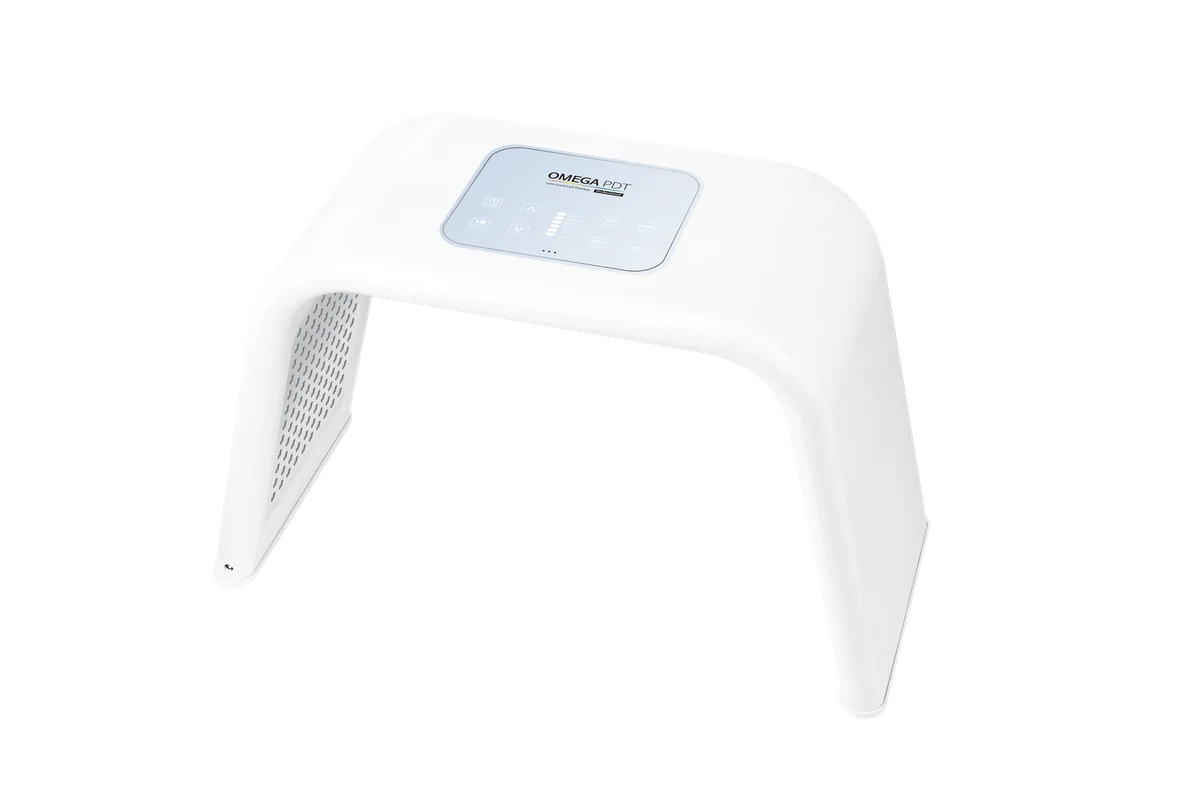
与细菌可能形成免疫的全身性抗生素不同,PDT通过物理机制起作用:局部涂抹光敏剂(ALA或MAL)并被皮脂腺选择性吸收。当暴露于特定波长LED光时,产生直接破坏痤疮丙酸棒菌(C.acnes)细菌并触发皮脂腺缩小的活性氧物种。因为机制是物理而非化学的,细菌耐药性无法发展,使PDT对长期、重复的痤疮管理是理想的。

在首尔的ABLE皮肤科,我们结合先进的PDT技术和认证皮肤科医生的专业知识。效果在1-2周内出现,治疗后4-6周可见显著改善。大多数患者受益于间隔2-4周的3-6次治疗系列以获得最优效果。

PDT如何破坏痤疮细菌并减少皮脂腺

PDT的有效性在于其双重作用机制。光敏剂(通常为5-氨基乙酰丙酸/ALA或氨基乙酸盐/MAL)涂抹到痤疮受影响区域,由于其高脂肪含量和代谢活动,被皮脂腺选择性吸收。吸收后,光敏剂转化为原卟啉IX,当暴露于特定光波长(通常为630-680 nm红光或405-420 nm蓝光)时变得高度光反应性的化合物。

当应用适当的LED光时,原卟啉IX转变为激发态并产生单态氧——一种高度反应性分子。这种单态氧直接损伤细菌细胞膜,摧毁接触的痤疮细菌。同时,光化学反应触发炎症和热效应,导致皮脂腺组织的选择性损伤,减少皮脂生成并降低细菌定植环境。与必须穿透细胞壁并干扰细菌代谢的抗生素不同,PDT的物理作用机制不能通过细菌耐药性突变被绕过。细菌被简单摧毁。

PDT与口服抗生素用于痤疮的对比

口服抗生素(多西环素、米诺环素)长期以来一直是痤疮的标准治疗。然而,长期使用频繁导致细菌耐药性,在数月或数年内减少有效性。此外,全身性抗生素影响整个身体,破坏有益微生物群并增加不良反应风险。相比之下,PDT是局部的并通过物理破坏而非化学抑制起作用——耐药性是不可能的。效果随重复治疗累积,因为机制是不可改变的,有效性不会随时间减弱。许多皮肤科医生现在仅保留抗生素用于短期使用并将患者转变为PDT用于长期管理。

首尔痤疮PDT的理想候选者

  • 尽管抗生素治疗但有复发性痤疮的患者
  • 想要避免全身性抗生素和潜在副作用的患者
  • 寻求无耐药性风险的长期痤疮控制的患者
  • 面部、背部或胸部患有中度炎症性痤疮的患者
  • 将PDT与其他痤疮治疗(局部视黄醇、过氧化苯甲酰)相结合的患者

PDT治疗区域和痤疮适应症

1

面部痤疮

面部的炎症爆发、粉刺和丘疹。PDT对活跃的、细菌驱动的痤疮特别有效,而不是纯粹的粉刺性痤疮。

2

背部和胸部痤疮

皮脂腺丰富区域的身体痤疮。这些区域通常对PDT反应极好,因为光敏剂在活跃皮脂腺中浓集。

3

炎症后红斑

痤疮消退后的持续发红(PIE)通过PDT的抗炎和皮脂腺缩小效应改善,促进治愈并减少可见发红。

ABLE皮肤科的PDT痤疮方案

第一步

综合痤疮评估

我们的皮肤科医生评估痤疮类型、严重程度、分布和根本原因。我们讨论抗生素历史、皮肤敏感性和治疗目标。提供英文咨询。治疗参数根据痤疮严重程度和皮肤类型定制。

第二步

靶向PDT治疗

光敏剂选择性地涂抹到痤疮病变和周围皮脂腺丰富区域。在充分孵化时间后,精密LED光(波长与光敏剂匹配)系统性地应用激活治疗。治疗参数个别校准。

第三步

术后护理和系列计划

Soothing treatments and sunscreen protection follow immediately. We provide detailed aftercare instructions and schedule follow-up sessions. Most patients benefit from a series spaced 2-4 weeks apart for cumulative effect.

痤疮PDT治疗程序

Safe, non-invasive step-by-step process

第一步: Skin Cleansing & Photosensitizer Application

The treatment area is thoroughly cleansed to remove oil, makeup, and debris. Photosensitizing agent (ALA or MAL) is evenly applied to acne lesions and the surrounding sebaceous areas. The agent requires 15-30 minutes incubation to be selectively absorbed into sebaceous glands and converted to photoreactive protoporphyrin IX.

第二步: LED Light Activation

After incubation, the treatment area is gently cleaned and the appropriate LED light (wavelength 630-680 nm red or 405-420 nm blue) is systematically applied. The light activates the photosensitizer, generating singlet oxygen that destroys bacteria and sebaceous tissue. Treatment time varies (typically 15-30 minutes) based on the treatment area size and intensity. Some warmth or mild discomfort may be felt; this is normal and indicates active treatment.

第三步: Post-Treatment Soothing & Recovery

Cooling gel or soothing serum is applied to calm the skin. Broad-spectrum sunscreen (SPF 30+) is essential because photosensitizer may remain active briefly. No bandages or restrictions are needed. Makeup and normal activities can resume immediately, though sun avoidance for 24-48 hours optimizes results.

Understanding PDT Results: Timeline & Treatment Series

Results from PDT are progressive rather than immediate. The first treatment initiates bacterial destruction and sebaceous reduction, with visible improvement appearing 1-2 weeks post-treatment. Each subsequent treatment adds cumulative benefit, with significant overall improvement noticeable 4-6 weeks into a treatment series. The typical recommended series is 3-6 treatments spaced 2-4 weeks apart. Some patients see dramatic results after 3 sessions, while others benefit from 6 sessions for complete acne clearance. Individual variation depends on acne severity, bacterial load, sebaceous gland activity, and skin healing capacity.

This page is for informational purposes only. Individual results may vary. Consult with Dr. Kyungmuk Jeong for a personalized assessment and treatment plan tailored to your acne condition.

PDT光动力疗法常见问题

What is PDT photodynamic therapy?

Photodynamic Therapy (PDT) combines a light-activating medication (photosensitizer) with specific wavelength light to eliminate acne-causing bacteria and reduce sebaceous gland activity. The photosensitizer accumulates in sebaceous glands and follicular epithelium, and when activated by light, generates reactive oxygen species that destroy Cutibacterium acnes and suppress sebum production.

How effective is PDT for acne treatment?

PDT is highly effective for moderate to severe acne, with clinical studies showing 70-80% improvement in acne lesions after a series of treatments. Results often persist for months to years because the therapy reduces sebaceous gland hyperactivity at the cellular level. Many patients achieve long-term acne suppression, reducing or eliminating the need for systemic medications.

What should I expect during and after PDT treatment?

During treatment, you'll receive a topical photosensitizer application (typically 15-30 minutes), followed by light activation (15-20 minutes). Mild warmth and mild redness are normal during treatment. Post-treatment, mild erythema and peeling may last 24-48 hours. Most patients resume normal activities immediately. Strict sun protection is essential for 24-48 hours post-treatment.

How many PDT sessions do I need?

Most acne patients benefit from 3-4 treatment sessions spaced 2-4 weeks apart. Your dermatologist will assess your acne severity and skin response to determine the optimal number of sessions. Some patients achieve excellent results with fewer sessions, while others may benefit from additional treatments depending on acne persistence and sebum reduction.

Be able to choose, not be pushed.

강요 없이, 투명한 선택지를 먼저 드립니다

首尔先进的PDT光动力疗法用于痤疮

ABLE Dermatology in Seoul provides expert PDT photodynamic therapy by a board-certified dermatologist with personalized care. Our clinician uses advanced light activation protocols to eliminate acne bacteria and restore clear skin. Effective, with minimal systemic side effects.

Book Consultation
微信 Instagram 电话 博客 交通指南