

ABLE Dermatology does not use IPL. This column summarizes how the two methods differ in principle.
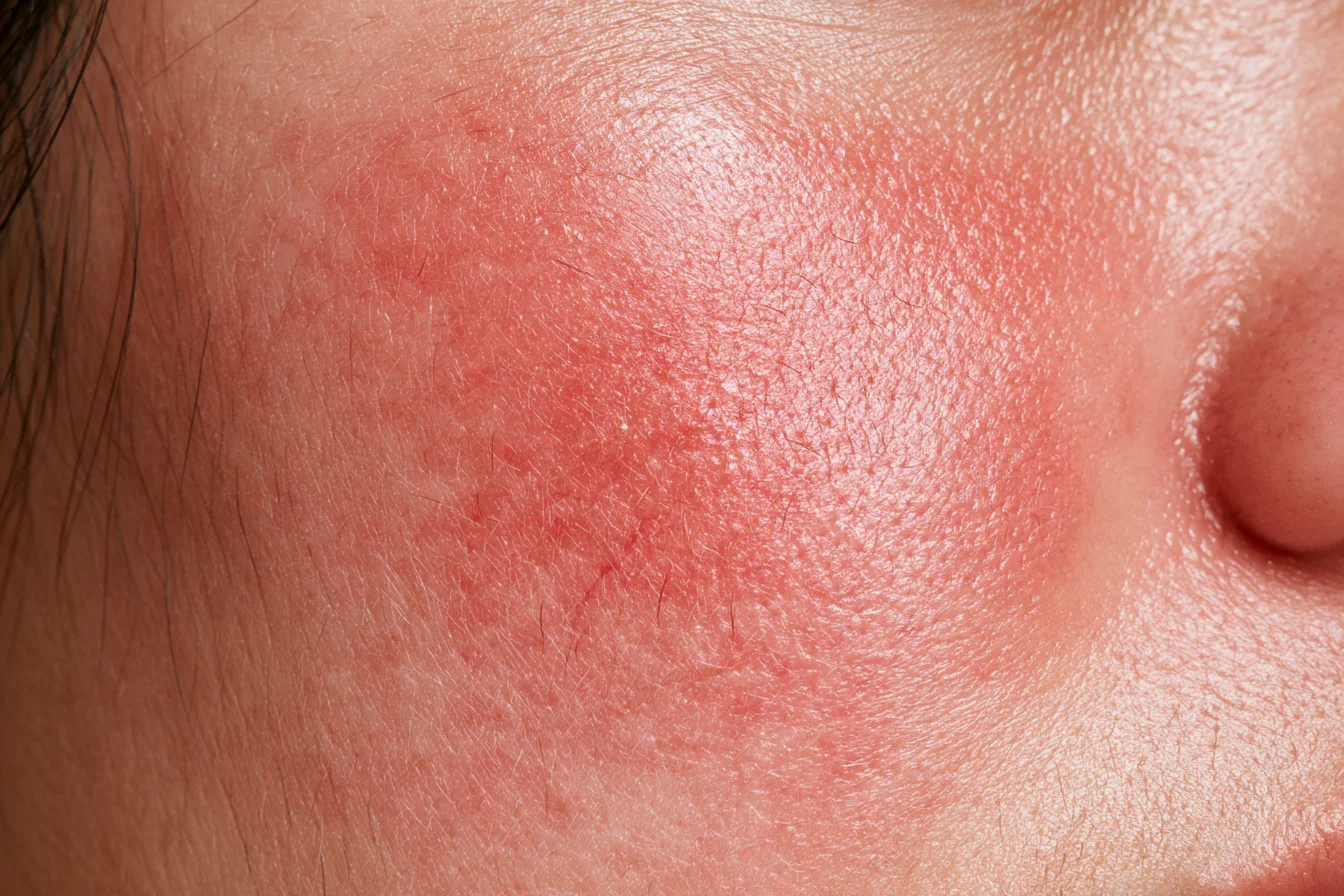
The Key to Redness Treatment: Selective Vascular Targeting
The core of facial redness treatment is selectively destroying dilated blood vessels while minimizing surrounding tissue damage. V-Beam Perfecta and IPL both aim for this but differ in approach.
V-Beam uses a single 595nm PDL wavelength with high selective absorption by oxyhemoglobin, targeting blood vessels with precision. IPL uses broadband light (500-1200nm) filtered to simultaneously target vessels, pigment, and collagen.
Comparison Table: V-Beam vs IPL
| Category | V-Beam Perfecta (PDL) | IPL |
|---|---|---|
| Wavelength | 595nm single wavelength | 500-1200nm broadband |
| Vascular Selectivity | Very high (oxyhemoglobin specific) | Moderate (multiple targets) |
| Best For | Telangiectasia, rosacea, hemangioma | Diffuse redness, combined pigment+redness |
| Downtime | 5-7 days with purpura (purpura-free mode available) | 1-2 days (temporary redness) |
| Sessions Needed | 3-5 | 5-8 |
| Pigment Effect | None (vessels only) | Can improve pigmentation simultaneously |
When V-Beam Is the Better Choice
Visible telangiectasia — For visible dilated capillaries on nose and cheeks, V-Beam is commonly used, given its high vascular selectivity.
Diagnosed rosacea — V-Beam is commonly used for rosacea with chronic redness and vascular dilation, directly coagulating vessels; response varies.
The Most Important Factor
In redness treatment, the most critical step is accurate diagnosis of the cause and type of redness. Treatment strategy changes completely depending on whether it's vascular dilation, barrier-damage inflammatory redness, or rosacea.
Equipment selection matters less than accurate diagnosis and individualized treatment planning. The same V-Beam or IPL can produce very different results depending on settings and protocol.
Frequently Asked Questions
- Does V-Beam treatment cause bruising?
- Depending on energy settings, V-Beam can cause purpura lasting 5-7 days. However, 'purpura-free' settings may reduce the chance of bruising; individual response varies.
This article is general information and does not replace an individual diagnosis or treatment. Because the right decision depends on your symptoms and skin condition, please see a board-certified dermatologist.