

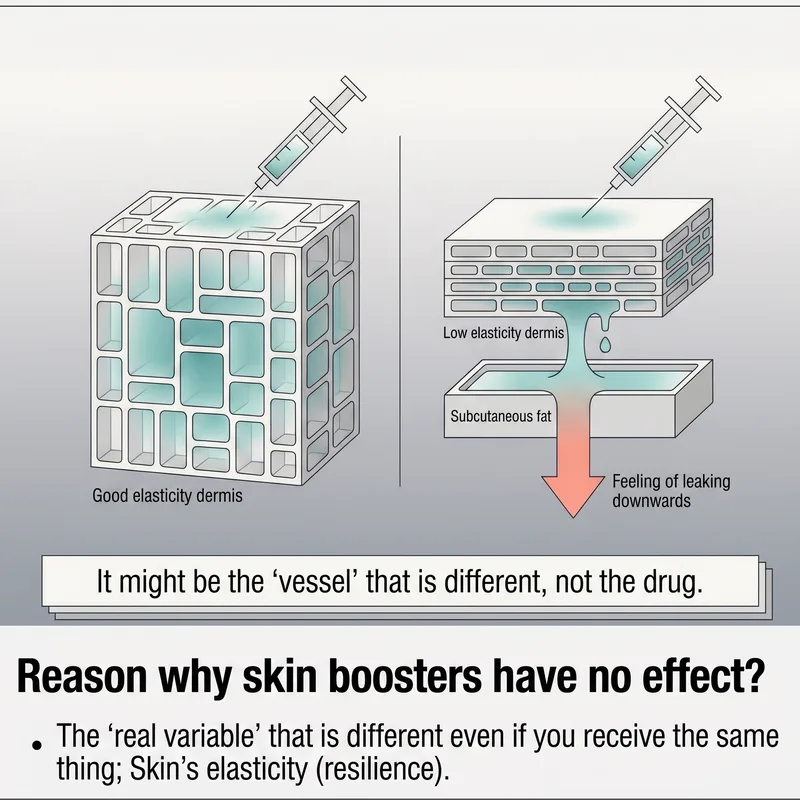
Analyzing Individual Variation in Skin Booster Effects
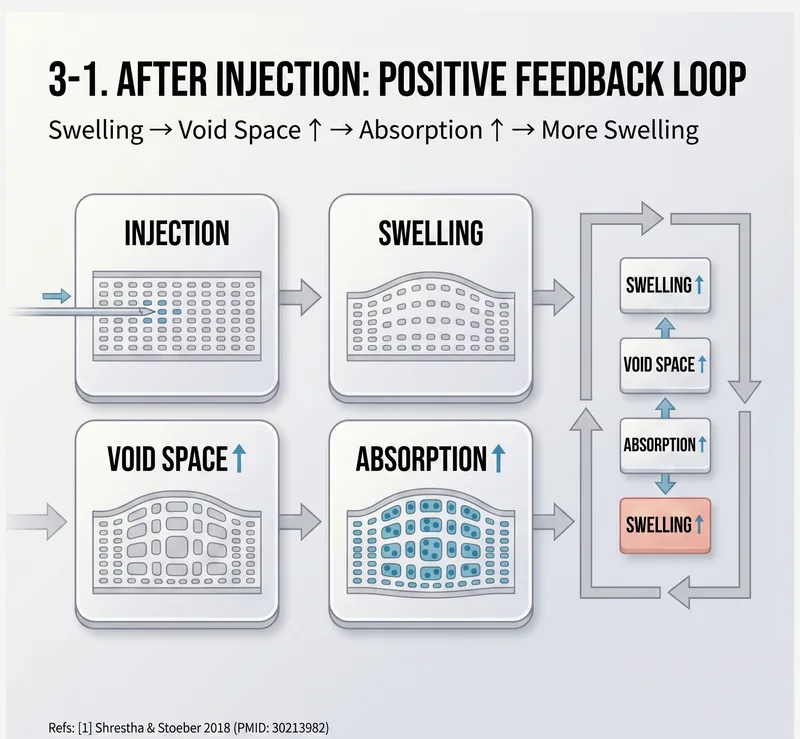
Skin Boosters are not miracle treatments. Injected hyaluronic acid retains moisture and transmits regeneration signals, but effects vary greatly based on individual skin condition, lifestyle, and expectations.
Patients experiencing poor results typically fall into one of these categories: (1) unrealistic expectations set initially, (2) inadequate post-treatment care, (3) inappropriate formulation type or dosage, (4) underlying skin disease or systemic factors (hormonal, nutritional deficiency).
Pre-Treatment Variables: Formulation and Technique
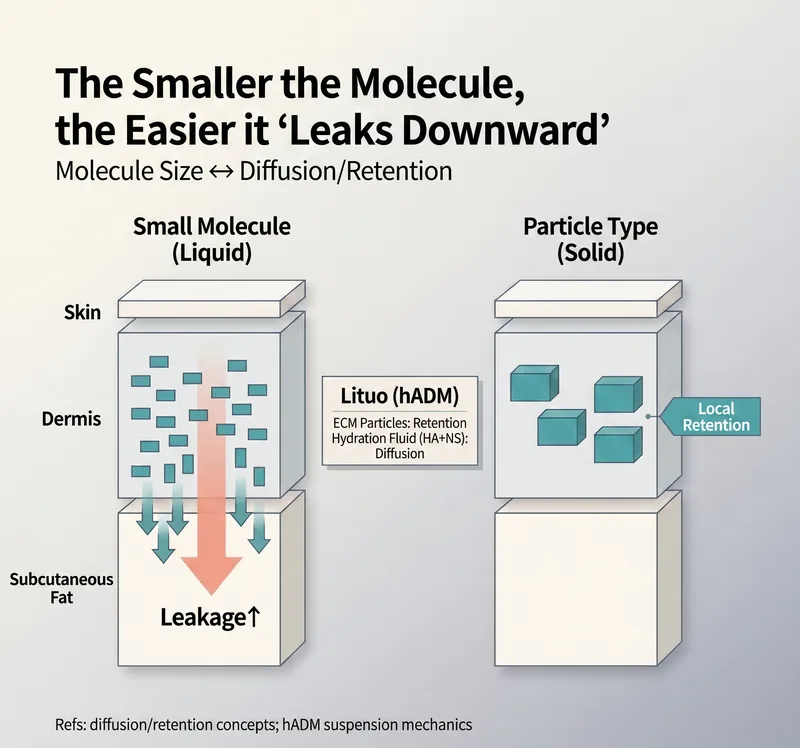
Formulation choice significantly determines skin booster effectiveness. Pure hyaluronic acid and complex formulations (vitamins, peptides, antioxidants) yield different results. Molecular size, concentration, and viscosity all matter.
Injection depth and technique profoundly impact outcomes. Epidermal injection means rapid absorption and short duration, while dermal injection generally lasts longer. It is essential that an experienced practitioner adjusts injection depth to each person's skin.
Post-Treatment Variables: Management and Lifestyle
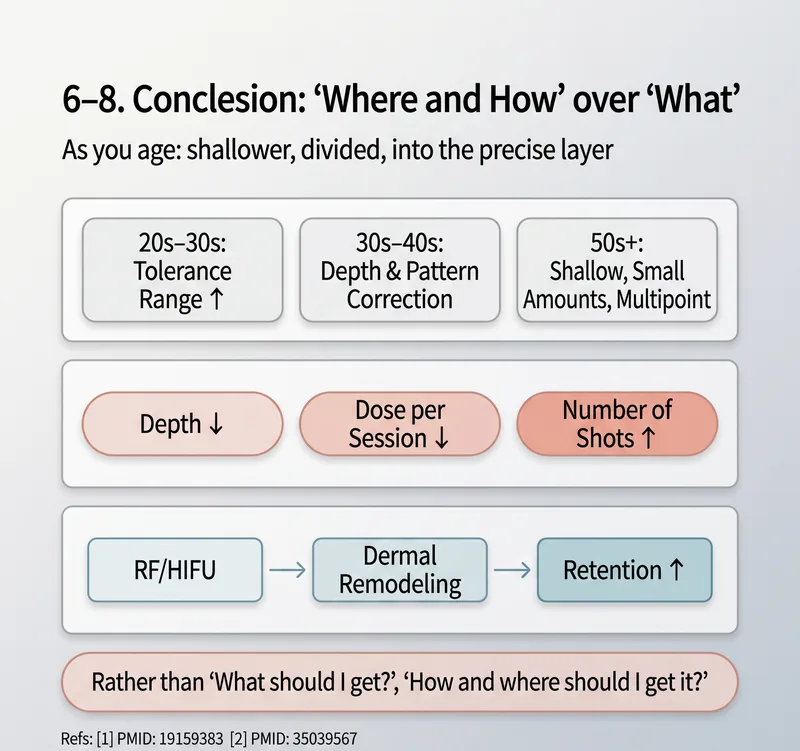
The most critical post-treatment factor is adequate hydration and sun protection. Injected hyaluronic acid requires sufficient internal moisture, and newly generated tissue needs UV protection.
Additionally, sleep (especially pre-midnight), stress management, and balanced nutrition (vitamin C, zinc, omega-3) directly impact skin regeneration. Combining treatment with overall self-care supports the result.
Frequently Asked Questions
- Why do results differ with identical treatment?
- Results depend on formulation type, injection depth, operator skill, and critically, patient skin condition. Hydration capacity, immune response, and underlying skin diseases are key variables.
- How can I support my skin booster results?
- Adequate hydration, sleep, and stress management are foundational. Post-treatment sun protection and antioxidant skincare are essential. Setting realistic expectations from the start matters most.
This article is general information and does not replace an individual diagnosis or treatment. Because the right decision depends on your symptoms and skin condition, please see a board-certified dermatologist.