

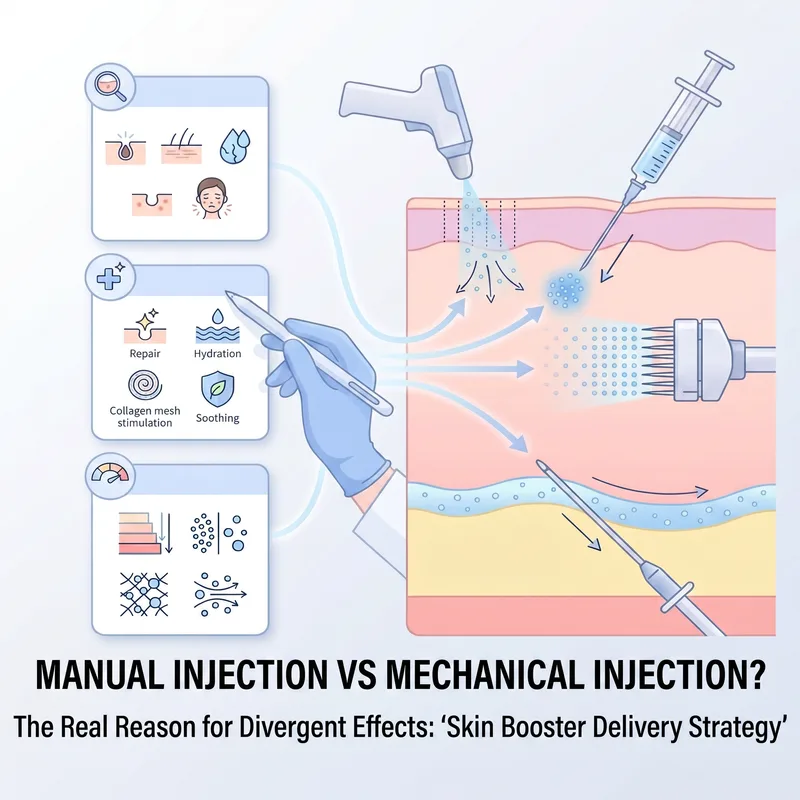
Skinbooster Indications for Sensitive Skin
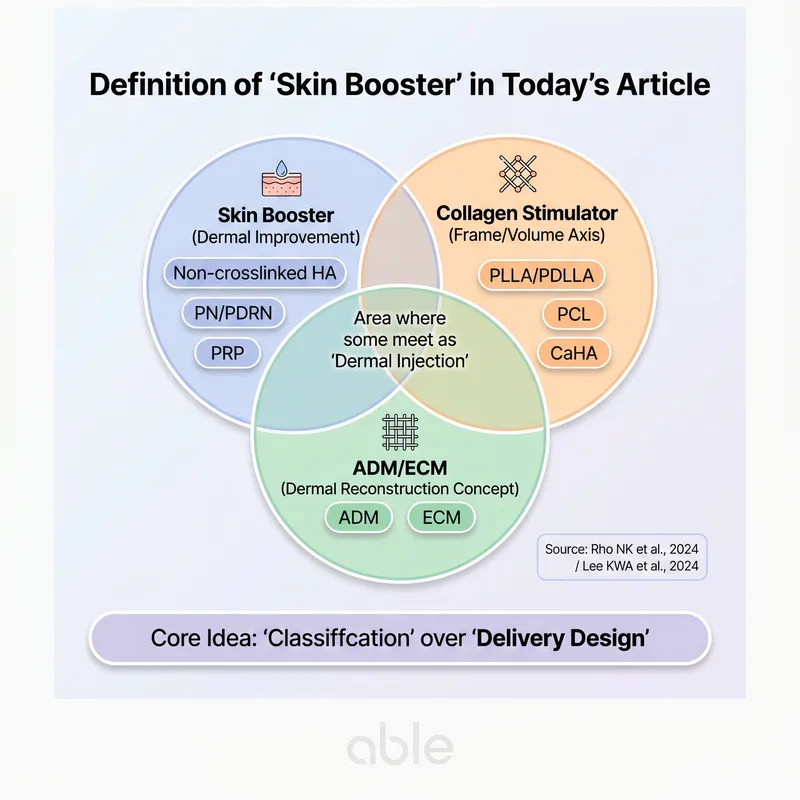
Skinboosters are hyaluronic acid-based treatments that strengthen skin hydration barriers. Counterintuitively, they can benefit sensitive and rosacea-prone skin. The key mechanism is barrier restoration, which reduces sensitivity overall.
Sensitive skin is fundamentally characterized by compromised epidermal barrier function. In this state, barrier recovery is more important than standard nutrition. Skinboosters supply dermal hydration, increasing epidermal support and resistance to external irritants.
Safety in Rosacea Patients
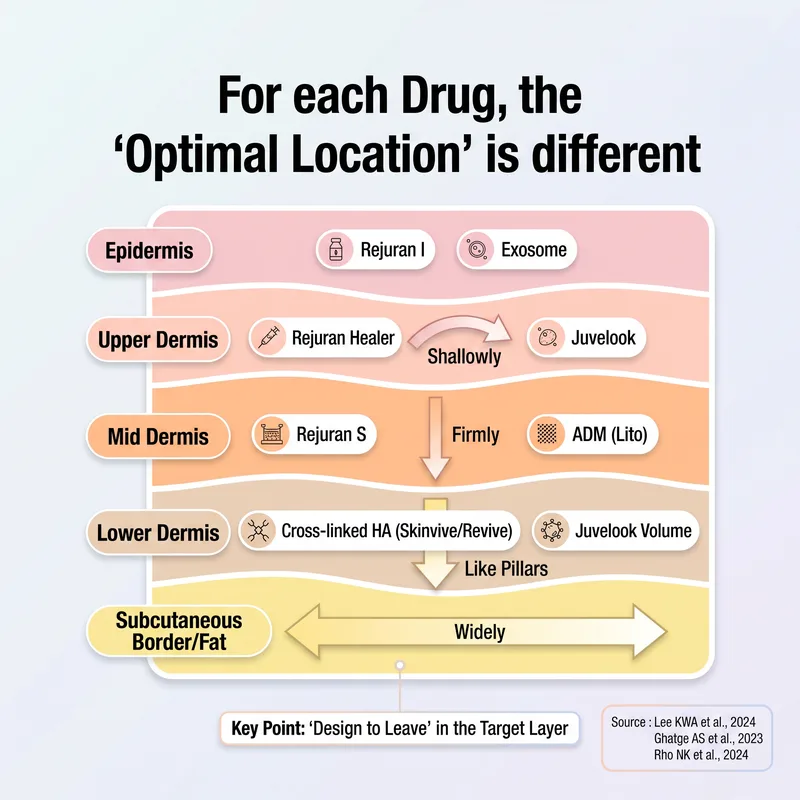
Rosacea is a chronic inflammatory condition marked by neurovascular instability. In these patients, skinboosters must minimize mechanical irritation and emphasize calming effects. Low-concentration formulations and shallow injection depths are recommended.
Post-treatment precautions include avoiding hot foods, alcohol, and intense exercise—all trigger vasodilation. Strict sun protection and soothing skincare are mandatory. Oral antibiotics or topical agents may accompany treatment to suppress neurovascular reactivity.
Customized Treatment Protocol
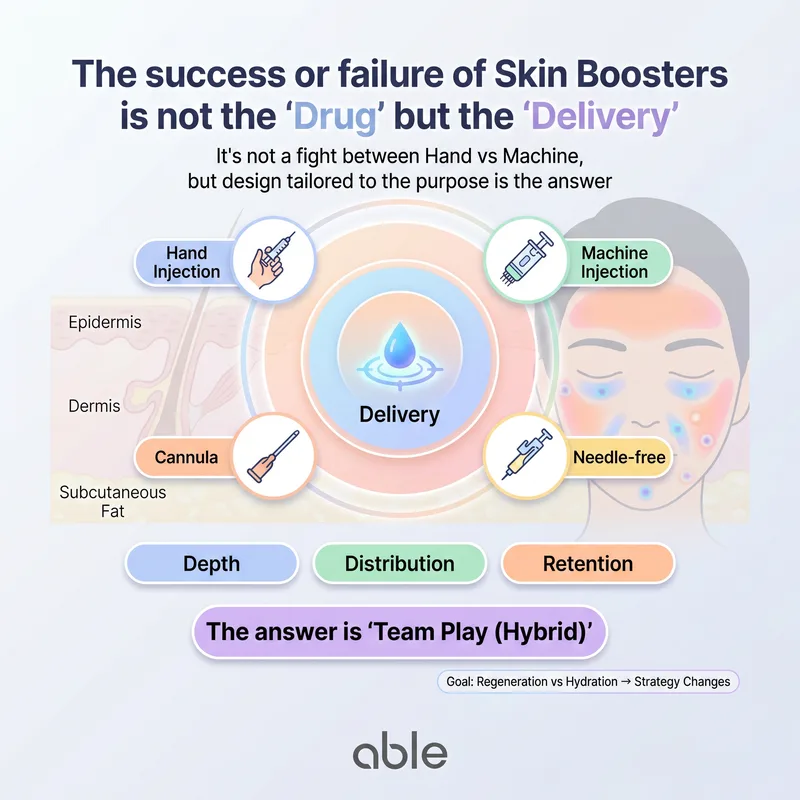
Conservative approach is fundamental for sensitive and rosacea skin. We use lower concentrations, longer intervals between treatments (4-6 weeks), and start with limited treatment areas. Post-treatment response is carefully monitored before progression.
Pre-treatment anti-inflammatory therapy (low-dose steroids or tacrolimus) reduces baseline inflammation, significantly improving safety. Individualized planning based on skin reactivity is the key to success.
Frequently Asked Questions
- Can skinbooster treatment be performed on sensitive skin?
- Yes, absolutely. However, a low-irritation protocol and careful pre-treatment assessment are essential. We determine the precise skin condition and sensitivity level, then customize the concentration and treatment intervals accordingly.
- Should I avoid skinboosters if I have rosacea?
- Not necessarily. Special protocols that minimize neurovascular response are required. We often combine pre-treatment anti-inflammatory therapy and use less irritating techniques throughout the procedure.